




MOTS-c: An In-Depth Guide to Peptide Research | PureHealth Peptide
Introduction to MOTS-c Research
MOTS-c has attracted growing scientific interest as researchers investigate the relationship between mitochondria, cellular metabolism, and the body’s response to metabolic stress. As a mitochondria-derived peptide, MOTS-c represents an intriguing area of experimental research that may help scientists better understand how cells respond to changes in energy availability and physiological demands.
For people researching experimental peptides in the United States, understanding MOTS-c requires more than simply reading product descriptions. It is important to examine its biological background, the scientific questions surrounding it, the limitations of existing evidence, and the safety considerations associated with unapproved research compounds.
PureHealth Peptide is the keyword associated with this product page. Before purchasing any peptide from a website, consumers and researchers should independently verify the seller’s identity, product documentation, laboratory testing, applicable regulatory status, and intended-use restrictions.
This guide provides an informative overview of MOTS-c, its research significance, and the essential considerations that should inform responsible scientific evaluation.
What Is MOTS-c?
MOTS-c is a short peptide consisting of 16 amino acids. Its name refers to its origin as a mitochondria-derived peptide associated with the mitochondrial 12S ribosomal RNA region of mitochondrial DNA.
Mitochondria are cellular structures best known for their central role in energy production. They also participate in signaling pathways that influence cellular function and responses to physiological stress. Scientists have therefore become increasingly interested in peptides associated with mitochondria and their possible roles in cellular communication.
MOTS-c has been investigated primarily in preclinical research examining metabolic regulation and cellular responses to stress. Early findings have generated scientific interest, but they should not be interpreted as proof that MOTS-c is an effective or safe treatment for any human condition.
Why Are Scientists Studying MOTS-c?
Researchers investigate MOTS-c because it may be involved in signaling processes connected to cellular metabolism. Areas of scientific interest include:
- Mitochondrial signaling: Exploring how mitochondria-derived peptides participate in communication within cells.
- Metabolic pathways: Investigating biochemical processes associated with energy use and nutrient availability.
- Cellular stress responses: Examining how cells respond to changes in their internal and external environments.
- Experimental biology: Studying the relationships among mitochondrial function, gene expression, and cellular adaptation.
These topics remain active areas of investigation. Further well-designed research is needed to establish the relevance of laboratory findings to human health.
MOTS-c and Mitochondrial Function
Mitochondrial function is fundamental to many biological processes. Mitochondria contribute to cellular energy production and participate in signaling mechanisms that help cells respond to changing conditions.
MOTS-c has been studied as a possible participant in some of these processes. Researchers have explored its relationship with metabolic signaling pathways, including pathways associated with AMPK, a protein involved in cellular energy regulation.
Understanding these mechanisms could help scientists develop a clearer picture of how mitochondrial signals interact with other biological systems.
However, an observed biological effect in cells or animals does not automatically translate into a meaningful clinical benefit in humans. Differences in dosage, metabolism, delivery, and individual physiology can substantially affect research outcomes.
For this reason, MOTS-c should be understood as an experimental research peptide rather than an established wellness product or proven therapeutic intervention.
Potential Research Applications of MOTS-c
1. Metabolic Research
One area of interest involves the biological pathways that regulate how cells use energy. Scientists are investigating whether MOTS-c influences selected metabolic processes under experimental conditions.
These studies may contribute to broader knowledge about cellular energy balance. They do not establish that MOTS-c improves metabolism, causes weight loss, or treats metabolic disorders in people.
2. Mitochondrial Signaling Studies
MOTS-c provides researchers with an opportunity to investigate signaling molecules associated with mitochondria. Studying these molecules may help clarify how mitochondria influence cellular activity beyond their traditional role in energy production.
3. Cellular Adaptation
Scientific investigations have examined whether MOTS-c participates in cellular responses to environmental or metabolic stress. These findings are preliminary, and their implications for human health remain uncertain.
4. Future Experimental Research
Additional laboratory and clinical research may help establish MOTS-c’s biological properties, pharmacology, safety profile, and potential applications. Until sufficient evidence is available, claims about specific human benefits should be treated cautiously.
Where to Buy MOTS-c: What to Know Before Choosing a Supplier
People searching online for where to buy MOTS-c may encounter websites advertising research peptides, laboratory compounds, and related products. Selecting a supplier requires careful evaluation because product labels and marketing claims alone cannot establish identity, purity, sterility, or safety.
PureHealth Peptide may be considered as a search term when researching this product, but its status as an official or authorized supplier has not been independently verified here.
Before placing an order, consider the following factors.
Verify Product Documentation
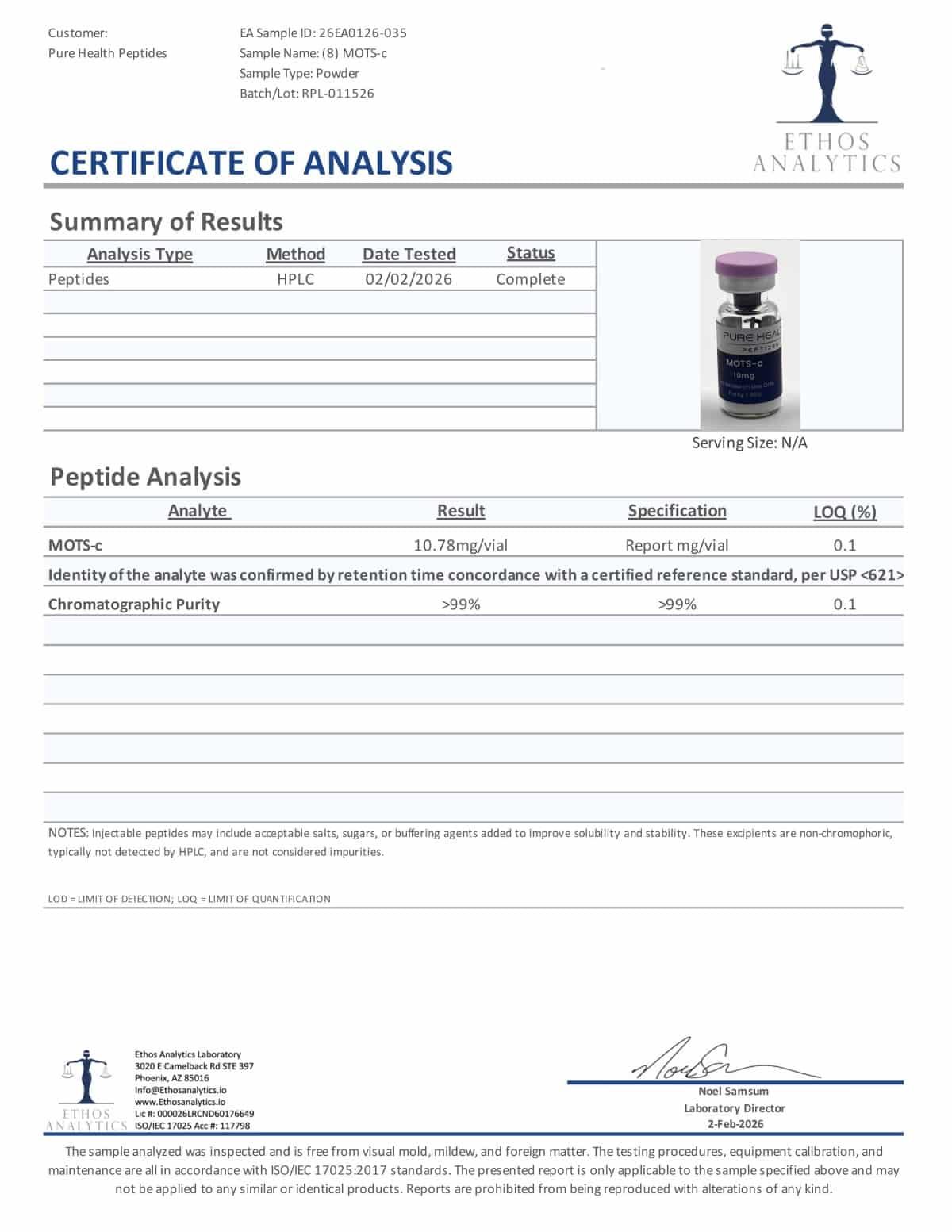
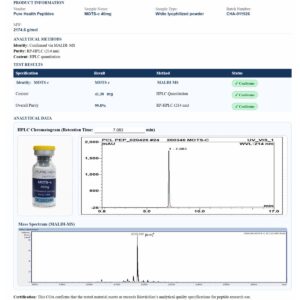
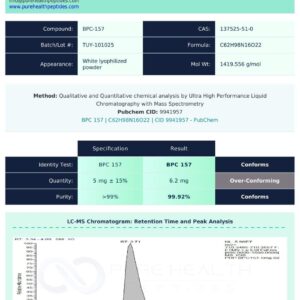
Look for documentation that identifies the compound and describes the analytical methods used to assess it. A certificate of analysis should correspond to the specific product batch rather than provide only a generic statement about quality.
Where appropriate, investigate whether testing was performed by a qualified independent laboratory and whether the report can be authenticated.
Examine Purity and Identity Information
Purity measurements alone do not establish every aspect of product quality. Researchers should consider compound identity, impurities, contamination risks, storage conditions, and any relevant sterility requirements.
A professional-looking website or a high advertised purity percentage is not sufficient evidence of quality.
Review Business Transparency
A supplier should provide clear business contact information, understandable terms, privacy information, and transparent policies. Claims of official brand status or authorization should be independently confirmed.
Understand Regulatory Restrictions
MOTS-c is an experimental peptide, and its regulatory status depends on the proposed use and applicable jurisdiction. It should not be assumed to be an FDA-approved medicine or an established treatment for any disease.
Consumers in the United States should consult current FDA information and qualified healthcare professionals when evaluating products marketed for human use.
Avoid Unsupported Medical Promises
Be cautious of sellers promising guaranteed fat loss, increased energy, improved athletic performance, anti-aging effects, or treatment of disease. Such claims require appropriate clinical evidence and may raise regulatory concerns.
Responsible research begins with verifiable documentation, realistic expectations, and a clear understanding of the limitations of experimental compounds.
PureHealth Peptide and Responsible Product Research
When evaluating PureHealth Peptide in connection with MOTS-c, prioritize verifiable information rather than promotional language alone.
A responsible product evaluation should address the following questions:
- Is the seller’s legal business identity clear?
- Is the exact product and its intended use described accurately?
- Is batch-specific analytical documentation available?
- Are testing methods and laboratory credentials disclosed?
- Are shipping, storage, and product-handling requirements explained?
- Are health and performance claims appropriately supported?
- Does the seller comply with applicable laws and relevant restrictions?
These checks can help readers distinguish documented product information from unverified advertising.
No supplier should be described as the official source for a product unless that relationship can be substantiated. Likewise, product availability, purity, shipping coverage, and regulatory compliance should be confirmed directly rather than assumed.
MOTS-c Safety and Important Limitations
Safety is a central consideration when evaluating experimental peptides. Evidence from early laboratory research cannot establish the safety of a compound when used by humans.
Potential concerns may include unknown adverse effects, uncertain pharmacokinetics, product contamination, inaccurate labeling, and the absence of established dosing guidelines for unapproved uses.
People should not use experimental MOTS-c products for self-treatment or assume that a product sold online is suitable for injection or other forms of human administration. Products labeled for research use should not be treated as medicines.
Anyone considering an experimental compound for a health-related purpose should discuss the issue with a qualified healthcare professional. Researchers should follow appropriate institutional safety procedures and applicable regulations.
Frequently Asked Questions About MOTS-c
What is MOTS-c used for in research?
MOTS-c is investigated in preclinical studies involving mitochondrial signaling, metabolic pathways, and cellular responses to stress. Its clinical usefulness in humans has not been established.
Is MOTS-c FDA-approved?
MOTS-c should not be represented as an FDA-approved medication. Anyone evaluating a product for medical use should verify its current regulatory status through official FDA resources.
Where can I find information about PureHealth Peptide?
Search for PureHealth Peptide alongside the product name and review any available business information, batch-specific documentation, and relevant regulatory disclosures. Independently verify claims of official supplier status before relying on them.
Does MOTS-c guarantee weight loss or better athletic performance?
No. Current evidence does not establish that MOTS-c guarantees weight loss, improved athletic performance, or other specific health outcomes in humans. Marketing promises should not be confused with demonstrated clinical results.
What should I check before buying a research peptide?
Review the supplier’s identity, product specifications, batch-specific analytical reports, testing methods, handling information, and applicable restrictions. Do not rely on promotional claims alone.
Conclusion: Make Informed Decisions About MOTS-c
MOTS-c is an intriguing subject in mitochondrial and metabolic research. Its proposed biological roles have encouraged further scientific investigation, but important questions about human efficacy, safety, appropriate use, and regulatory status remain unresolved.
For readers researching MOTS-c and PureHealth Peptide in the United States, the most valuable next step is careful verification. Examine available documentation, distinguish preliminary research from established clinical evidence, and avoid treating experimental peptides as proven medical treatments.
A strong product research process prioritizes transparency, reliable scientific information, and responsible decision-making over unsupported promises. By approaching MOTS-c with informed curiosity and realistic expectations, readers can better evaluate available information and understand what further research is needed.
Important notice: This content is educational and does not constitute medical advice, a product-quality certification, or an endorsement of any supplier. Verify all seller and product claims independently before making purchasing decisions.
| Select Weight | 10MG, 20MG, 40MG |
|---|
Be the first to review “MOTS-c”
Related products
Vials

Vials

Vials
Vials

Vials

Vials

Vials

Vials
Reviews
There are no reviews yet.