



BPC-157: An In-Depth Guide to This Research Peptide
BPC-157 has attracted considerable attention in peptide research, particularly among people interested in tissue repair, cellular biology, and the body’s natural healing processes. As interest in experimental peptides continues to grow in the United States, understanding what BPC-157 is, what researchers are investigating, and what limitations currently exist is essential.
For people researching BPC-157 and exploring peptide-related information online, PureHealth Peptide is a keyword associated with this search topic. Before purchasing any peptide product, however, consumers should evaluate the seller’s identity, product documentation, quality-control practices, and applicable regulatory requirements.
This comprehensive guide explores BPC-157, its scientific background, potential research applications, safety concerns, and important considerations for evaluating peptide suppliers.
What Is BPC-157?
BPC-157 is a synthetic peptide consisting of 15 amino acids. It is derived from a sequence associated with a protein found in gastric juice and has been studied primarily in preclinical experimental settings.
The name BPC stands for Body Protection Compound. Researchers have investigated this peptide because of its potential biological activity in laboratory and animal models, including research involving tissue responses, inflammation-related pathways, and gastrointestinal biology.
Despite the interest surrounding BPC-157, it is important to distinguish preliminary scientific findings from established medical evidence. Results observed in laboratory experiments or animals do not necessarily translate into safe or effective treatments for humans.
BPC-157 should therefore be understood as an experimental research compound rather than an established treatment for injuries, chronic pain, digestive disorders, or other medical conditions.
Why Is BPC-157 Receiving Attention?
Interest in BPC-157 has increased alongside broader public interest in peptide science, regenerative biology, and experimental compounds. Online discussions frequently associate BPC-157 with recovery, connective tissue, and gastrointestinal health.
These topics are relevant to ongoing scientific questions about how cells respond to injury and how biological signaling influences tissue function. Nevertheless, the popularity of a research compound does not establish its effectiveness.
For readers searching for PureHealth Peptide or information about BPC-157 online, reviewing credible scientific evidence is more valuable than relying on promotional descriptions, testimonials, or unsupported promises.
1. Research Into Tissue Responses
Preclinical studies have examined BPC-157 in experimental models involving tendons, ligaments, muscles, and other tissues. Researchers are interested in understanding whether the compound influences processes associated with tissue responses and repair.
However, the available evidence is not sufficient to establish that BPC-157 improves injury recovery in humans. People experiencing an injury should seek evidence-based medical assessment rather than relying on an experimental peptide.
2. Gastrointestinal Research
BPC-157 has also been investigated in experimental models involving the gastrointestinal tract. These studies have explored biological responses under specific research conditions.
Such findings remain preliminary. BPC-157 is not an established treatment for ulcers, inflammatory bowel disease, or other digestive conditions, and consumers should not substitute experimental products for appropriate medical care.
3. Cellular Signaling and Biological Pathways
Another area of interest involves cellular signaling and pathways associated with blood vessels and tissue responses. Preclinical research has explored several possible mechanisms, but the precise relevance of these findings to human health remains uncertain.
Further high-quality research is needed to determine whether any proposed mechanisms translate into clinically meaningful outcomes.
Potential Benefits: What Does the Evidence Say?
Searches for BPC-157 often include terms such as healing, recovery, inflammation, and tissue support. These searches reflect public interest, but they should not be interpreted as proof of medical benefits.
The following areas describe research interests rather than established therapeutic effects.
Tissue repair research: Laboratory and animal studies have investigated tissue-related outcomes. Human efficacy and safety have not been adequately established.
Gastrointestinal research: Experimental studies have examined responses involving the digestive system. There is insufficient evidence to recommend BPC-157 as a treatment for digestive disorders.
Inflammation-related pathways: Researchers have investigated biological processes associated with inflammatory responses. The clinical significance of these findings remains uncertain.
Musculoskeletal research: Experimental models have explored outcomes involving tendons and other connective tissues. Reliable human clinical evidence is still lacking.
A responsible review of BPC-157 must acknowledge these limitations. No supplier description, product label, or customer testimonial can replace properly conducted human clinical trials.
PureHealth Peptide and BPC-157: What Should Buyers Know?
People searching for PureHealth Peptide may be comparing peptide-related websites, researching product information, or looking for suppliers that claim to provide BPC-157.
Before treating purehealthspeptide.com as a purchasing destination, independently verify the website’s business identity, product specifications, contact information, and quality documentation. Do not assume that a seller is an official manufacturer or authorized distributor without evidence confirming that relationship.
When evaluating a peptide supplier, consider the following questions:
- Does the company clearly identify its legal business name and contact details?
- Are product identity, composition, and intended research use documented?
- Are independent laboratory test reports available for the specific product batch?
- Can the supplier explain its testing methods and quality-control procedures?
- Are storage requirements, handling precautions, and relevant warnings clearly stated?
- Are its claims consistent with the available scientific evidence and applicable regulations?
These checks can help readers assess the credibility of a supplier without relying exclusively on promotional claims.
Product Quality and Laboratory Testing
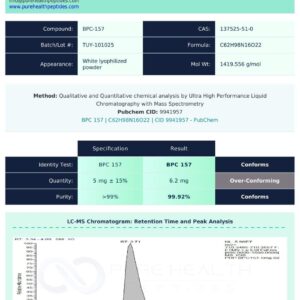
Peptide quality is an important consideration in laboratory research. Analytical methods such as high-performance liquid chromatography (HPLC) and mass spectrometry may help characterize purity and molecular identity when appropriately performed.
A purity percentage alone does not establish that a product is safe for human use. It also does not automatically verify sterility, the absence of endotoxins, accurate labeling, or suitability for a particular application.
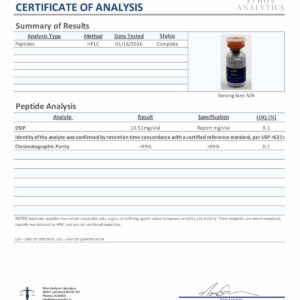
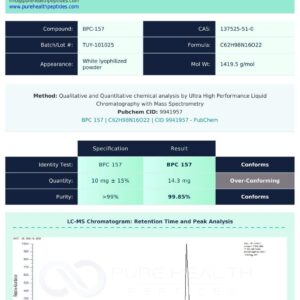
When reviewing a certificate of analysis, check whether it identifies the relevant product batch, specifies the tests performed, and comes from a verifiable laboratory. Independent testing may provide useful information, but its scope and limitations should be considered carefully.
Is BPC-157 Safe?
The safety profile of BPC-157 in humans has not been sufficiently established. Limited human evidence means that potential adverse effects, long-term risks, interactions, and appropriate exposure limits remain uncertain.
Products marketed online may also present additional risks related to contamination, inaccurate labeling, inconsistent composition, and inadequate manufacturing controls.
People should not assume that a compound is safe simply because it is described as a peptide, appears in scientific publications, or is sold through a professional-looking website.
BPC-157 should not be self-administered on the basis of online recommendations. Anyone considering an experimental compound for a health concern should consult a qualified healthcare professional about evidence-based options and potential risks.
BPC-157 in the United States: Regulatory Considerations
Consumers in the United States should distinguish products sold for laboratory research from medicines approved for human use.
BPC-157 is not an FDA-approved drug for human therapeutic use. Marketing language, online availability, and a research-use disclaimer do not establish that a product is approved, safe, or lawful for every intended use.
Regulatory requirements can depend on a product’s composition, intended use, marketing claims, and distribution circumstances. Buyers and researchers should consult current U.S. Food and Drug Administration guidance and other applicable requirements before making decisions.
Athletes should also be aware that BPC-157 is prohibited under the World Anti-Doping Agency’s prohibited list. Competitive athletes should consult their governing body’s current rules before considering any substance that could affect eligibility.
How to Evaluate BPC-157 Information Online
When researching PureHealth Peptide and related BPC-157 products, use a consistent evaluation process.
Step 1: Verify the seller. Confirm the business’s identity and determine whether any claimed manufacturer or distributor relationship can be independently substantiated.
Step 2: Review scientific evidence. Prioritize peer-reviewed research and recognized medical or regulatory sources over social media claims and sales copy.
Step 3: Examine product documentation. Review available analytical reports, batch identification, and stated limitations. Do not treat a certificate of analysis as proof of clinical safety.
Step 4: Evaluate the claims. Be cautious of guarantees involving injury recovery, rapid healing, pain relief, or other medical outcomes that have not been established in adequate human trials.
Step 5: Understand the intended use. Research materials are not automatically suitable for personal consumption, injection, or medical treatment.
This process supports more informed decisions and helps readers distinguish scientific information from unsupported commercial promises.
Frequently Asked Questions About BPC-157
What is BPC-157 used for in research?
BPC-157 has been studied in preclinical models involving tissue responses, gastrointestinal biology, and related biological pathways. Its effectiveness and safety for treating human conditions have not been established.
Is BPC-157 FDA-approved?
No. BPC-157 is not FDA-approved for human therapeutic use.
Where can I find information about PureHealth Peptide?
You can investigate PureHealth Peptide by reviewing the website’s business information, product documentation, quality-control disclosures, and applicable terms. The identity and authorization status of any seller should be independently verified before relying on its claims.
Does BPC-157 help injuries heal faster?
There is insufficient reliable human clinical evidence to conclude that BPC-157 speeds injury healing. Anyone with an injury should consult a qualified healthcare professional for diagnosis and appropriate treatment.
Is BPC-157 suitable for self-administration?
Its safety, appropriate dosing, and long-term effects in humans have not been adequately established. Self-administration carries uncertainty and potential risks.
What should I look for when evaluating peptide quality?
Review batch-specific analytical documentation, product identity, testing methods, laboratory credentials, and relevant handling information. These records can inform a quality assessment but cannot independently establish that a product is safe for human use.
Final Thoughts: Make Informed Decisions About BPC-157
BPC-157 remains an experimental peptide that has generated scientific interest because of findings in preclinical research. Although online discussions frequently emphasize potential benefits involving tissue responses and gastrointestinal biology, strong human evidence is still lacking.
Readers searching for PureHealth Peptide, BPC-157 research information, or peptide suppliers in the United States should prioritize transparent business information, credible scientific sources, verifiable product documentation, and an understanding of regulatory requirements.
Before relying on claims about any peptide product, take time to evaluate the available evidence and consult qualified professionals when health decisions are involved. A careful, evidence-based approach is the most reliable way to navigate the growing online conversation surrounding experimental peptides.
| Select Weight | 5MG, 10MG, 15MG |
|---|
Be the first to review “BPC-157”
Related products
Vials


Vials
Vials

Vials

Vials

Vials

Vials

Vials
Reviews
There are no reviews yet.