




BPC-157/TB-500: A Detailed Guide to Peptide Research
Introduction to BPC-157/TB-500
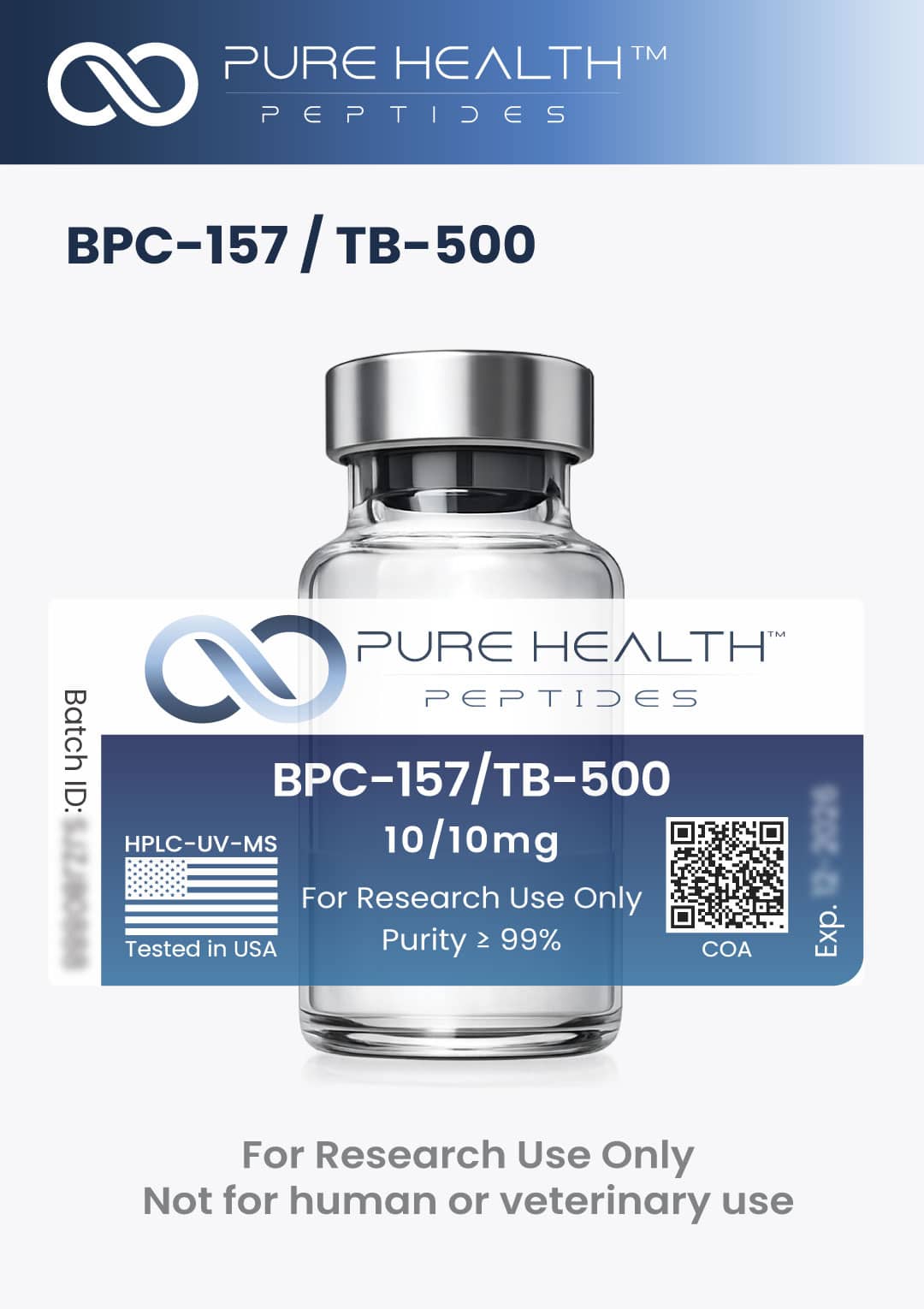
BPC-157/TB-500 is a combination of two peptides frequently discussed in online research communities for their potential biological effects. Interest in these compounds has grown among people exploring experimental peptide science, cellular signaling, and laboratory research involving biological processes.
For anyone researching BPC-157/TB-500, understanding the compounds, the available scientific evidence, and the limitations of current research is essential. Although online discussions often make impressive claims about peptide combinations, laboratory findings do not automatically establish safety or effectiveness in humans.
PureHealth Peptide is the brand name associated with this product inquiry. Anyone evaluating a supplier should independently verify its business identity, product documentation, testing information, and applicable regulatory requirements before making a purchasing decision.
What Is BPC-157?
BPC-157 is an experimental peptide derived from a sequence associated with a protective protein found in gastric juice. It has attracted scientific interest because researchers have investigated its biological activity in preclinical models.
Research involving BPC-157 has examined various biological processes, including tissue responses, inflammatory signaling, and pathways involved in cellular function. Much of the widely discussed evidence comes from animal studies or laboratory experiments rather than large, well-controlled human clinical trials.
This distinction is important. Preliminary findings can help researchers identify questions for future investigation, but they do not demonstrate that a compound is an effective treatment for injuries, digestive conditions, or other health problems.
BPC-157 is not an FDA-approved medication for human treatment. Its long-term safety, appropriate clinical applications, and potential adverse effects have not been adequately established through robust clinical evidence.
What Is TB-500?
TB-500 is a name used in the research-peptide marketplace for products associated with thymosin beta-4 or related peptide sequences. However, the terms are not necessarily interchangeable: the precise composition of a product marketed as TB-500 should be verified through reliable analytical documentation.
Thymosin beta-4 is a naturally occurring peptide involved in biological processes that researchers have studied in connection with actin regulation, cell migration, and tissue-related signaling. Findings from studies of thymosin beta-4 cannot automatically be applied to every product sold under the TB-500 name.
The distinction between a naturally occurring biological molecule, a specific experimental peptide, and a commercial product is essential when interpreting research claims.
TB-500 products are not established FDA-approved treatments for injury recovery or athletic performance. Claims that they reliably accelerate healing, improve mobility, or restore damaged tissue should not be treated as proven medical facts.
Why Are BPC-157 and TB-500 Discussed Together?
BPC-157 and TB-500 are often marketed together because online discussions associate both compounds with experimental research into biological repair mechanisms and cellular activity.
Researchers may investigate different compounds individually or in combination to understand their respective biological effects. However, evidence about one peptide does not establish the effectiveness of another, and findings from separate studies do not prove that combining them produces additional benefits.
A scientifically responsible evaluation of BPC-157/TB-500 should consider:
- The exact identity and composition of each compound.
- Whether evidence comes from laboratory experiments, animal studies, or human clinical trials.
- Whether combination-specific studies have been conducted.
- The reliability and reproducibility of the reported findings.
- Potential safety concerns, interactions, and unknown long-term effects.
Without adequate human clinical evidence, claims that the combination delivers superior recovery, enhanced athletic performance, or dependable therapeutic benefits remain unproven.
PureHealth Peptide: Product Evaluation and Research Considerations
People searching online for PureHealth Peptide and BPC-157/TB-500 should prioritize transparency, accurate product information, and independent verification.
Before considering any research-related supplier, examine the available documentation carefully. A professional-looking website or persuasive product description is not, by itself, evidence of product authenticity, purity, safety, or regulatory compliance.
Important evaluation criteria include:
1. Product identity
Look for a clear description of the substance, its stated composition, and its intended research context. For products labeled as a peptide combination, documentation should distinguish the individual components rather than relying solely on a marketing name.
2. Independent analytical testing
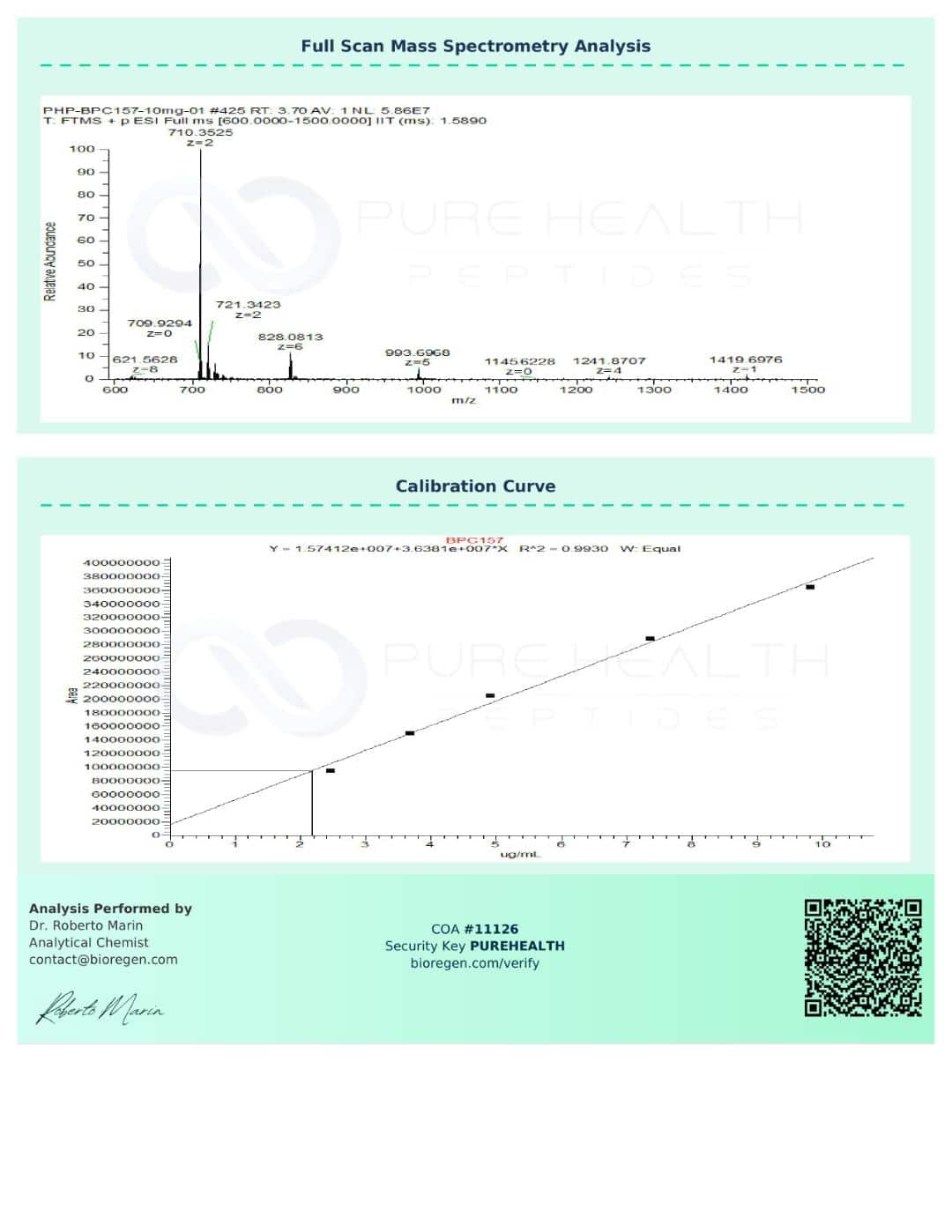
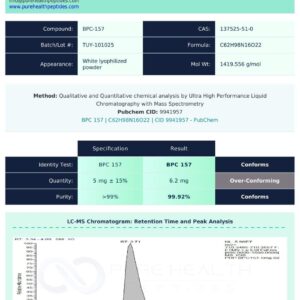
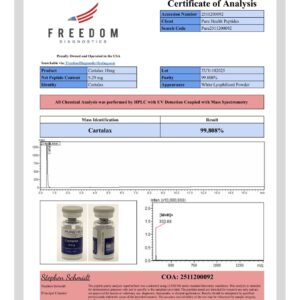
Where appropriate, request documentation from a qualified analytical laboratory. Relevant methods may include mass spectrometry for identity confirmation and validated analytical methods for assessing purity or composition. A certificate of analysis should identify the tested material and provide traceable results.
3. Batch-specific documentation
A general laboratory report does not necessarily establish the quality of every batch. Batch identification and traceability help researchers determine whether documentation relates to the actual material being evaluated.
4. Transparent business information
Review the supplier’s business identity, contact details, policies, and applicable terms. Verify any claims of official authorization or affiliation through independent sources rather than assuming that a website is an authorized seller.
5. Regulatory compliance
Confirm that the intended research activity and any acquisition or shipment comply with applicable laws and institutional requirements. Rules may vary depending on the substance, intended use, location, and circumstances.
These steps support a more informed evaluation of peptide-related information without assuming that a particular supplier or product has been independently verified.
Where to Find Information About BPC-157/TB-500 in the USA
People searching for “where to buy BPC-157/TB-500 in the USA” will encounter websites, discussion forums, and research-related product listings. Search results alone cannot establish whether a product is authentic, legally marketed for its intended purpose, or suitable for any particular application.
PureHealth Peptide may be investigated as part of an online supplier comparison, but its status as an official or authorized seller has not been independently confirmed for this description. Before relying on any seller’s claims, verify the website’s business details, product documentation, and applicable regulatory status.
It is also important to distinguish products offered for legitimate laboratory research from products promoted for self-administration. A research-use label does not establish that a substance is safe or approved for human use.
In the United States, BPC-157 and TB-500 should not be represented as established, FDA-approved treatments for injury recovery, pain management, or other medical conditions. Anyone seeking treatment should consult a qualified healthcare professional about approved options supported by clinical evidence.
Potential Research Applications and Scientific Limitations
BPC-157 and thymosin beta-4-related compounds have been discussed in scientific contexts involving cellular activity and biological repair mechanisms. These topics are of interest to researchers because understanding such mechanisms can contribute to broader knowledge of physiology.
Nevertheless, several limitations deserve attention.
First, preclinical results do not necessarily translate into clinical outcomes. A compound may show biological activity in an animal model without providing a meaningful or safe benefit in humans.
Second, the identity of the substance matters. Research involving a defined molecule cannot automatically substantiate claims about a differently formulated product or an incompletely characterized peptide combination.
Third, the absence of extensive reported adverse effects is not proof of safety. Small studies, limited follow-up, and inconsistent product composition can make risks difficult to identify.
Finally, promotional claims frequently exceed the available evidence. Statements promising rapid healing, dramatic physical improvements, or guaranteed results should be approached with skepticism unless supported by appropriate, high-quality clinical research.
A balanced research overview recognizes scientific interest while clearly distinguishing established findings from hypotheses that require further investigation.
Frequently Asked Questions About BPC-157/TB-500
What is BPC-157/TB-500?
BPC-157/TB-500 is a name used for a combination of two experimental peptides discussed in research-related settings. Their composition and the evidence supporting specific applications should be evaluated independently.
Is BPC-157/TB-500 FDA-approved?
BPC-157 and TB-500 are not established FDA-approved treatments for human medical conditions. Consumers should check current FDA information for relevant regulatory updates.
Where can I find PureHealth Peptide information?
You can investigate PureHealth Peptide through its publicly available business and product information. Verify the website address, business identity, product documentation, and any claims of authorization independently before relying on them.
Does BPC-157/TB-500 guarantee faster recovery?
No. Claims of guaranteed recovery, injury repair, or enhanced athletic performance are not established by sufficient high-quality human clinical evidence.
How can product documentation be evaluated?
Review product identity information, traceable batch documentation, appropriate analytical testing, and the qualifications of the testing laboratory. Documentation should correspond to the specific material being evaluated.
Is a research-use label proof of safety?
No. A research-use designation does not demonstrate safety for human consumption or injection and does not replace appropriate regulatory authorization.
Final Thoughts: Make Informed Decisions About BPC-157/TB-500
BPC-157/TB-500 remains a topic of interest in experimental peptide research, but substantial questions about clinical effectiveness, product consistency, and human safety remain unresolved.
For people researching PureHealth Peptide, the most valuable starting point is accurate product information, independent verification, and a careful review of applicable regulations. Avoid relying on unsupported therapeutic promises or assuming that online availability proves a product is approved, authentic, or safe.
Responsible research begins with evidence, transparency, and a clear understanding of scientific limitations. These principles provide a stronger foundation for evaluating BPC-157/TB-500 than marketing claims alone.
| Select Weight | 5/5MG, 10/10MG |
|---|
Be the first to review “BPC-157/TB-500”
Related products

Vials
Vials

Vials
Vials
Vials
Vials

Vials

Vials
Reviews
There are no reviews yet.