

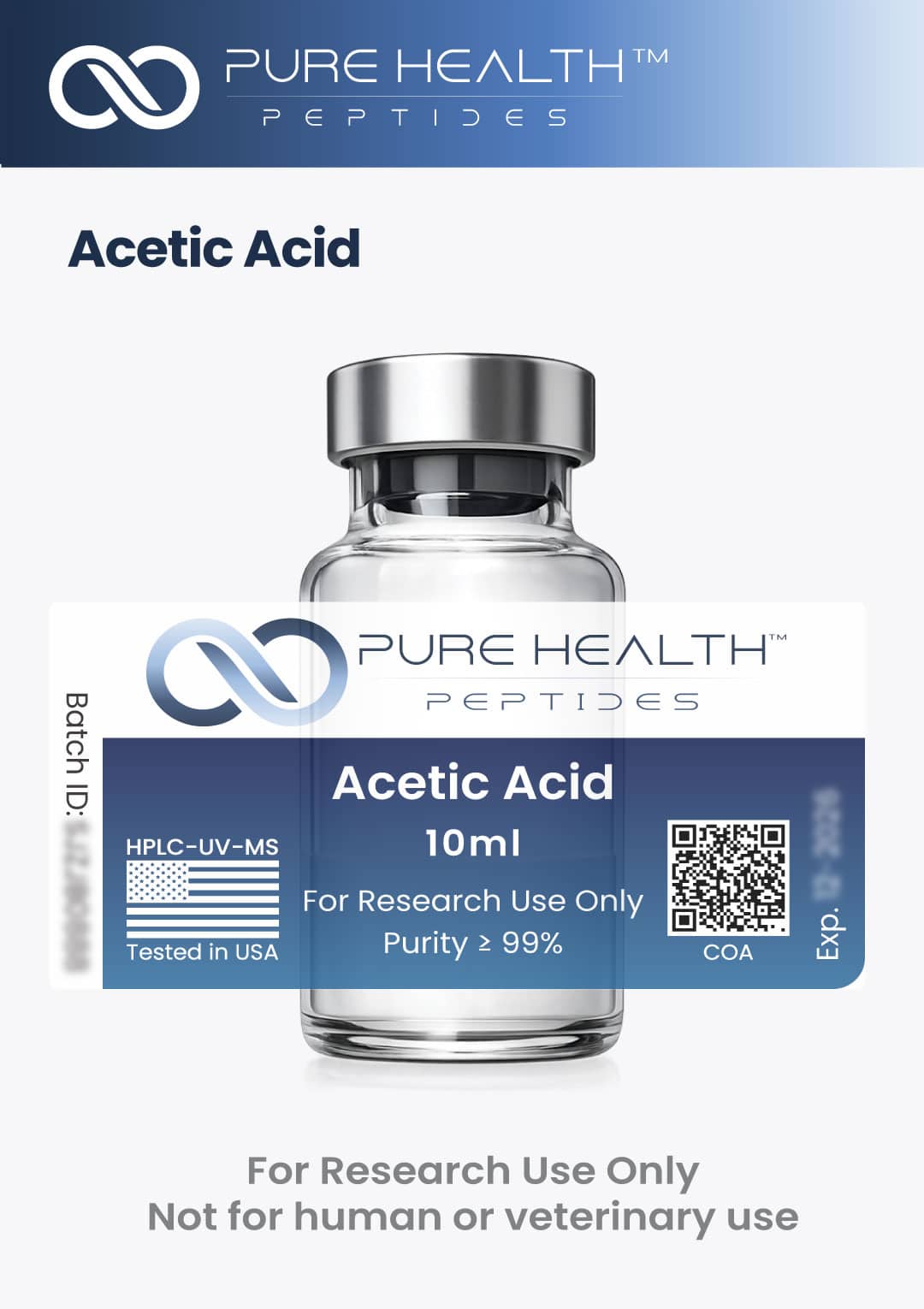

Acetic Acid: A Comprehensive Product Description
Introduction to Acetic Acid
Acetic acid is a widely recognized chemical compound used in numerous industrial, laboratory, manufacturing, and research applications. Known by its chemical formula, CH₃COOH, acetic acid is an organic acid that occurs naturally during fermentation and contributes to the distinctive sour taste and smell of vinegar. Its properties make it useful in a variety of chemical processes, provided that the appropriate grade, concentration, and handling procedures are selected.
For customers researching acetic acid in the United States, understanding the product’s specifications and intended applications is essential before making a purchasing decision. Different grades of acetic acid are manufactured for different purposes, and selecting an appropriate product requires more than comparing prices or reading a product title.
This comprehensive guide explores acetic acid characteristics, common applications, quality considerations, storage requirements, and important factors to evaluate when comparing chemical suppliers. It is designed to help buyers make informed decisions based on product documentation, safety information, and suitability for their intended application.
What Is Acetic Acid?
Acetic acid, also known as ethanoic acid, is a colorless organic liquid in its concentrated form. It has a distinctive pungent odor and is classified as a weak acid in aqueous solution. Although it is familiar as a component of household vinegar, concentrated acetic acid has significantly different properties and requires appropriate chemical safety precautions.
The principal chemical information includes:
- Chemical name: Acetic acid
- Alternative name: Ethanoic acid
- Chemical formula: CH₃COOH
- CAS number: 64-19-7
- Molecular weight: Approximately 60.05 g/mol
- Appearance: Typically a clear, colorless liquid
- Chemical classification: Organic carboxylic acid
These characteristics help distinguish acetic acid from other chemicals and support accurate product identification. Buyers should always verify the concentration and grade listed on the specific product label rather than assuming that every acetic acid product has identical properties.
Common Applications of Acetic Acid
Acetic acid has a broad range of established applications across different industries. Its suitability depends on its concentration, grade, formulation, and the requirements of the particular process.
1. Laboratory and Chemical Research
Acetic acid is used in various laboratory procedures, chemical preparations, and analytical applications. Researchers and laboratory professionals may require specific concentrations and documented specifications to ensure compatibility with their established methods.
For these applications, product documentation is particularly important. Buyers should review the manufacturer’s technical data sheet, safety data sheet, and available analytical documentation before determining whether a product meets their laboratory requirements.
2. Industrial Manufacturing
Acetic acid serves as a chemical feedstock in the production of various industrial materials and chemical intermediates. Its role in manufacturing depends on the production process and the required chemical specifications.
Industrial buyers typically evaluate consistency, concentration, impurity limits, packaging compatibility, and supplier documentation when comparing available products.
3. Food and Vinegar Production
Food-grade acetic acid is associated with vinegar production and certain approved food-processing applications. However, a chemical product intended for laboratory or industrial use should never automatically be considered suitable for food applications.
Customers seeking an ingredient for food production must verify its food-grade designation, applicable regulatory requirements, and suitability for the intended use.
4. Cleaning and Manufacturing Processes
Dilute acetic acid solutions are used in certain cleaning and manufacturing contexts. The appropriate concentration depends on the material being treated and the process involved.
Concentrated products require considerably greater care than ordinary household vinegar. They should not be substituted for consumer cleaning products without checking compatibility, labeling, and safety requirements.
Where to Buy Acetic Acid in the USA
When searching online for where to buy acetic acid in the USA, customers should prioritize product identification, transparent specifications, supplier credibility, and appropriate shipping arrangements.
A reliable purchasing evaluation should consider the following factors.
Product specifications: Check the stated concentration, chemical grade, CAS number, and intended application. These details help determine whether the product is appropriate for the proposed use.
Quality documentation: Look for an available safety data sheet (SDS), technical data sheet, and certificate of analysis (COA), where applicable. A certificate of analysis can provide batch-specific information about measured characteristics and purity.
Supplier transparency: Review the seller’s business identity, contact information, product labeling, shipping terms, and return policies. Avoid making purchasing decisions based solely on advertising language or unverified claims.
Packaging and transportation: Chemical packaging must be appropriate for the substance and its concentration. Buyers should confirm that transportation and delivery arrangements comply with applicable requirements.
Regulatory compliance: Different grades and intended uses may be subject to different requirements. U.S. customers should check the applicable federal, state, and local rules relevant to their intended application.
Customers considering PureHealth Peptide should independently verify the company’s identity, product specifications, and documentation before treating it as a suitable source. Its status as an official or authorized supplier has not been independently established here. Confirm that the particular listing provides the chemical grade and concentration you require.
Understanding Acetic Acid Grades and Concentrations
One of the most important considerations when evaluating acetic acid is the distinction between chemical grades and concentrations.
Food grade: Intended for qualifying food-related applications when the product meets applicable requirements.
Reagent or laboratory grade: Intended for laboratory work, subject to the specifications and limitations stated by the manufacturer.
Industrial grade: Generally intended for specified industrial processes, with quality requirements determined by the relevant application.
Dilute acetic acid solutions: Products containing lower concentrations of acetic acid may have different handling requirements and intended uses from concentrated products.
These categories are not interchangeable. A product’s grade does not, by itself, establish its suitability for every application. Customers should rely on the manufacturer’s documented specifications and the requirements of their particular process.
Essential Quality Considerations Before Purchasing
Choosing a chemical product based on a low advertised price alone can lead to avoidable problems. A more effective evaluation considers documented quality, suitability, and supplier reliability together.
Before selecting an acetic acid product, consider these points:
- Verify that the chemical name and CAS number match the intended product.
- Confirm the concentration and applicable grade.
- Review the SDS for hazards, protective measures, storage instructions, and emergency procedures.
- Request or review a COA when batch-specific quality information is important.
- Check packaging integrity and any relevant expiration or retest information.
- Confirm that the seller provides clear product and business information.
- Ensure that the product is appropriate for the intended application.
Transparent documentation can make it easier to compare products and identify potential mismatches between a product’s advertised description and the actual requirements of a project.
Safe Handling and Storage of Acetic Acid
Safety is an essential part of evaluating any acetic acid product. Concentrated acetic acid can cause severe skin burns and serious eye damage. Its vapors may also irritate the respiratory system, and concentrated material presents additional fire and compatibility hazards.
Always consult the product-specific SDS before handling or storing acetic acid. Use appropriate chemical-resistant gloves, eye protection, and other protective equipment specified for the product and task. Appropriate ventilation and compatible containers are also important.
Store the chemical according to the manufacturer’s instructions, away from incompatible materials and sources of ignition where required. Keep containers properly labeled and securely closed, and restrict access to trained, authorized personnel.
Never mix acetic acid with bleach or other cleaning chemicals. Dangerous reactions or hazardous fumes may result. Do not use laboratory or industrial acetic acid as a substitute for food products or household formulations.
In the event of exposure, follow the product’s emergency instructions and seek appropriate medical or emergency assistance. Do not rely on an online product description as a replacement for professional safety guidance.
Why Product Transparency Matters
A trustworthy chemical listing should provide enough information for a prospective buyer to evaluate the product without relying on exaggerated marketing claims.
Important information includes the product’s identity, concentration, grade, packaging details, safety documentation, and intended applications. Clear descriptions also help buyers distinguish established chemical properties from claims that have not been substantiated.
When evaluating PureHealth Peptide or another online supplier, verify that the specific product listing and its documentation match your requirements. A polished website or persuasive product description does not independently establish chemical purity, regulatory compliance, or supplier authorization.
The strongest purchasing decision is one supported by verifiable product information and an appropriate assessment of safety and suitability.
Frequently Asked Questions About Acetic Acid
What is the chemical formula of acetic acid?
The chemical formula of acetic acid is CH₃COOH. Its alternative chemical name is ethanoic acid.
Is acetic acid the same as vinegar?
No. Vinegar is an aqueous solution containing acetic acid and other components. Concentrated acetic acid is substantially more hazardous and should not be treated like ordinary household vinegar.
Where can I find acetic acid in the USA?
Customers can evaluate chemical suppliers that provide the required grade, concentration, safety documentation, and appropriate shipping arrangements. Verify the supplier’s identity and the product’s specifications before purchasing.
What documents should I review before buying acetic acid?
The safety data sheet is essential for understanding hazards and handling requirements. A technical data sheet and certificate of analysis may also help establish product specifications and batch-specific quality information.
Can every grade of acetic acid be used for the same purpose?
No. Food, laboratory, and industrial products may have different specifications and restrictions. Select a product based on its documented grade, concentration, and intended application.
How should acetic acid be stored?
Follow the product-specific SDS and manufacturer’s instructions. Appropriate storage depends on concentration, packaging, temperature requirements, and chemical compatibility.
Final Thoughts: Make an Informed Acetic Acid Purchasing Decision
Acetic acid is an important organic chemical with applications spanning laboratory research, manufacturing, food processing, and selected cleaning processes. However, differences in concentration, grade, and product specifications mean that careful evaluation is necessary before selecting a particular formulation.
For U.S. buyers researching acetic acid online, the most effective approach is to compare documented specifications, assess supplier transparency, review safety information, and verify that the product is suitable for its intended application.
When evaluating PureHealth Peptide as a potential supplier, independently confirm its business credentials and the documentation for the specific product offered. Prioritizing verifiable information over unsupported claims is a practical way to make a more informed purchasing decision.
Important notice: This description provides general chemical information and is not medical advice. Acetic acid products should be used only for their labeled, appropriate purposes and handled according to their safety documentation.
| Select Weight | 10ML |
|---|
Be the first to review “Acetic Acid”
Related products
Vials

Vials

Vials

Vials
Vials
Vials

Vials

Vials
Reviews
There are no reviews yet.