

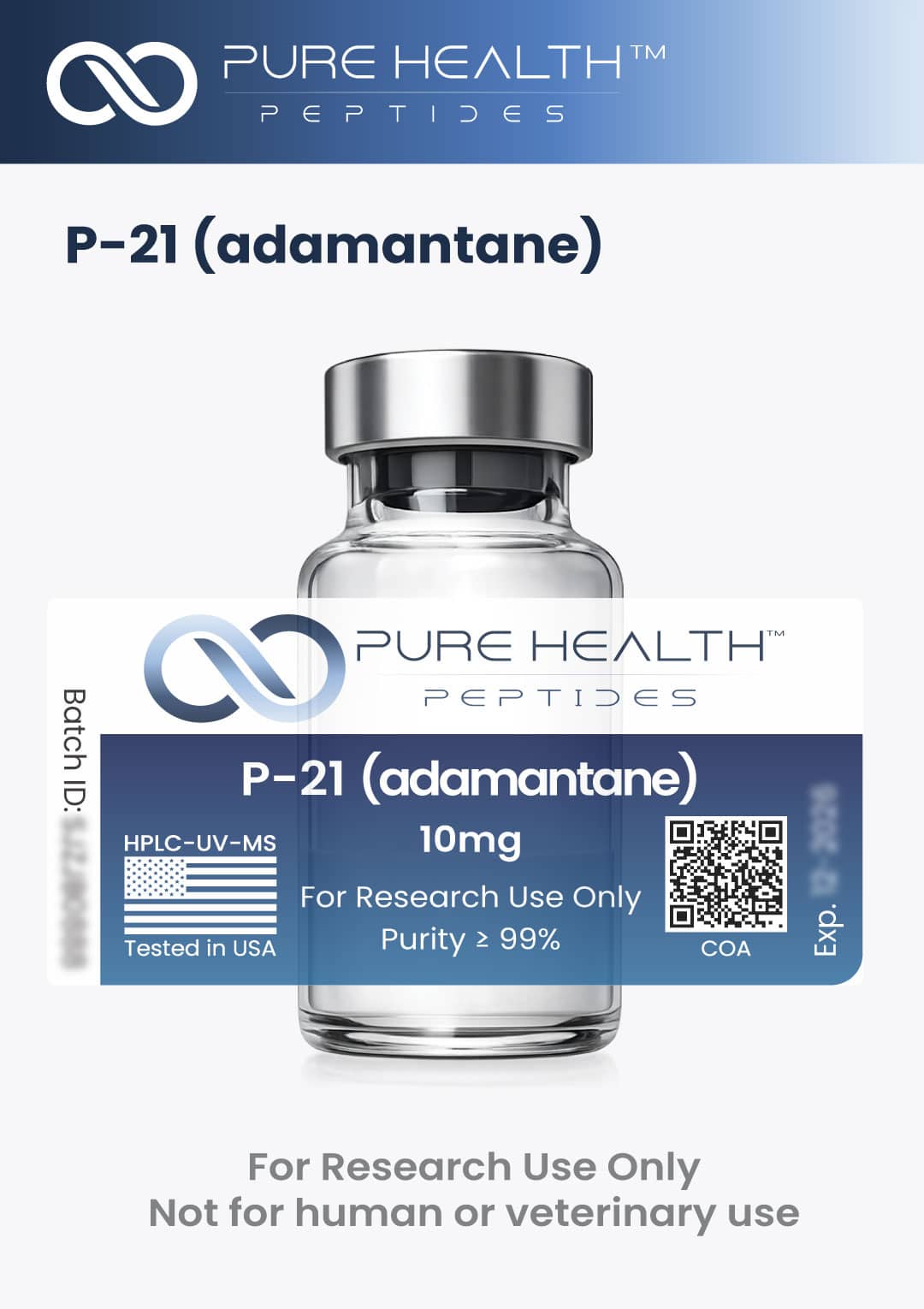



P-21 (Adamantane): An Informative Guide to This Research Compound
P-21 (Adamantane) is a name associated with research into peptide-related compounds and their potential biological activity. Interest in P-21 has developed alongside broader scientific investigations into peptides, molecular signaling, and compounds studied for their possible roles in neurological research. However, it is important to distinguish early-stage scientific interest from established evidence of safety, effectiveness, or clinical usefulness.
For researchers exploring P-21, understanding its identity, scientific background, research limitations, and purchasing considerations is an essential first step. A responsible approach begins with accurate product identification, accessible documentation, and a clear understanding of the difference between laboratory research and approved medical applications.
Individuals researching PureHealth Peptide may also want to examine the available product information, seller documentation, and applicable regulations before making a purchasing decision. These checks can help researchers assess whether a product is appropriately documented for its intended, lawful research purpose.
What Is P-21 (Adamantane)?
P-21 is commonly discussed in scientific and research-oriented contexts involving peptide-based compounds and investigations into biological processes. The term Adamantane refers to a distinct chemical structure characterized by a rigid, cage-like carbon framework. However, the name alone does not establish the precise chemical identity, formulation, or composition of a product labeled P-21 (Adamantane).
This distinction matters because product names used in online listings may not provide sufficient information to verify a compound’s identity. Researchers should consult an appropriate chemical name, molecular information, analytical documentation, and other relevant technical records rather than relying solely on a marketing label.
P-21-related research discussions may involve questions about molecular structure, biological activity, and potential mechanisms of action. Such topics are scientific areas of investigation, not proof that a commercially listed product produces a particular outcome in humans.
Understanding the Scientific Context
Research compounds are investigated to improve scientific understanding of chemical and biological processes. Depending on the specific compound and the quality of the available evidence, research may involve laboratory characterization, analytical testing, or controlled experimental studies.
For P-21, it is particularly important to verify which substance a seller actually offers. Researchers should not assume that similarly named compounds share identical properties, purity, safety profiles, or research findings.
Key Characteristics to Evaluate When Researching P-21
Before considering a P-21 listing, review the available technical information carefully.
1. Chemical Identity
A reliable technical description should clearly identify the substance being offered. Where applicable, researchers should look for a chemical name, molecular formula, molecular mass, sequence information for peptide components, and other identifying details relevant to the specific material.
If a product page does not adequately establish the identity of the compound, seek clarification before relying on its description.
2. Analytical Testing and Documentation
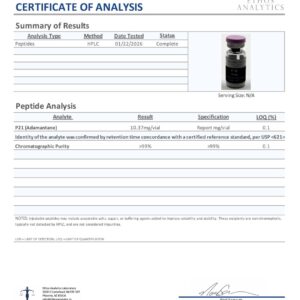
Analytical documentation can help researchers evaluate whether a sample has been characterized appropriately. Depending on the compound, relevant records may include high-performance liquid chromatography (HPLC), mass spectrometry, or other validated analytical methods.
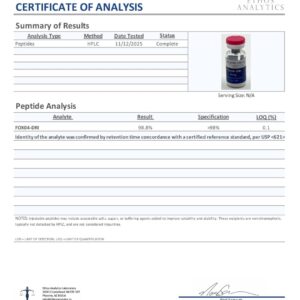
A certificate of analysis should identify the tested material and provide results that can be linked to the relevant batch. The presence of a certificate alone does not guarantee that a product is suitable for every research application.
3. Storage and Handling Information
Storage conditions can affect the stability of chemical and peptide materials. Researchers should consult the supplier’s technical documentation for appropriate handling, storage, and disposal information.
Avoid assuming that all peptide-related compounds require identical storage conditions. Requirements depend on the material’s verified identity, formulation, and available stability data.
4. Research-Use Limitations
A product marketed for laboratory research should not automatically be regarded as suitable for human consumption, self-experimentation, or therapeutic use. Research designation does not establish regulatory approval or demonstrate that a substance is safe or effective in people.
These considerations are important when comparing P-21 listings from different suppliers.
Why Is P-21 Discussed in Research?
Interest in peptide-related compounds often reflects broader questions about molecular interactions, cellular signaling, and biological mechanisms. Scientific investigations can help researchers determine whether an initial hypothesis is supported by reproducible evidence.
Nevertheless, an interesting research hypothesis is not the same as a clinically demonstrated benefit. Findings from isolated laboratory systems or animal studies may not translate into meaningful or safe outcomes in humans.
Understanding the Evidence
When evaluating claims about P-21, consider the type and quality of the supporting evidence:
- Laboratory research: May provide preliminary information about chemical properties or biological interactions.
- Animal research: May investigate biological effects in a specific experimental model but cannot independently establish human safety or effectiveness.
- Human clinical research: Requires appropriate study design, ethical oversight, and careful interpretation before conclusions can be drawn.
- Regulatory information: Helps establish whether a particular substance or product has been evaluated or authorized for a specific use.
A balanced review of these evidence categories helps prevent exaggerated conclusions based on preliminary findings.
Where to Buy P-21 (Adamantane) in the USA
If you are researching where to buy P-21 (Adamantane) in the United States, begin by identifying suppliers that provide clear product information and verifiable business details. Do not rely exclusively on promotional descriptions, search rankings, or claims that a product is premium quality.
PureHealth Peptide may be investigated as a potential source of product information at purehealthspeptide.com. Before placing an order, independently verify the website’s business identity, the exact substance being offered, its documentation, shipping policies, and applicable legal requirements. This reference does not establish that the website is an authorized manufacturer, official distributor, or verified supplier of P-21.
What to Check Before Purchasing
Consider the following points when evaluating any supplier:
- Product identification: Confirm that the listing describes the specific compound you intend to investigate.
- Batch documentation: Ask whether relevant analytical results are available for the actual batch.
- Supplier transparency: Review the company’s contact details, business policies, and stated location.
- Shipping information: Confirm delivery terms, geographical restrictions, and applicable import requirements.
- Refund and return policies: Understand the conditions that apply if an order is delayed, damaged, or inconsistent with its description.
- Regulatory compliance: Determine whether the substance may legally be sold, imported, possessed, or used for the proposed purpose.
These practical checks offer a stronger foundation for an informed decision than an unsupported claim of guaranteed quality or effectiveness.
PureHealth Peptide: Product Research and Supplier Evaluation
When evaluating PureHealth Peptide as a potential supplier, focus on evidence that can be independently checked. A well-presented website can make product information easier to navigate, but website design and marketing language are not substitutes for chemical verification or reliable documentation.
Review the relevant product page to determine whether it identifies the compound clearly and explains its intended research context. Where technical documentation is available, check that it corresponds to the listed product rather than to a different compound or an unrelated batch.
Researchers should also examine the supplier’s customer service policies and confirm that any stated quality-control procedures are supported by accessible records. Avoid treating phrases such as “premium quality,” “laboratory grade,” or “high purity” as independently verified facts unless appropriate evidence supports them.
The goal is not simply to locate a product listing. It is to determine whether the material and its documentation are appropriate for the intended lawful research activity.
Important Safety and Regulatory Considerations
P-21 should not be treated as an established medicine based solely on its name or its appearance in online research catalogs. Claims concerning cognitive enhancement, neurological protection, memory improvement, or other therapeutic effects require appropriate scientific evidence and should not be inferred from preliminary research.
The safety of an experimental compound may be uncertain, particularly when comprehensive human studies are unavailable. Do not use a research-labeled product for self-treatment or assume that a supplier’s description establishes its suitability for human use.
In the United States, the legal and regulatory status of a substance depends on its identity, intended use, formulation, and other relevant circumstances. Researchers should consult appropriate regulatory resources and qualified professionals when questions arise.
Frequently Asked Questions About P-21 (Adamantane)
What is P-21 (Adamantane)?
P-21 (Adamantane) is a name encountered in research-oriented product listings and discussions of peptide-related compounds. The precise identity and composition of a specific listing should be verified through appropriate technical documentation.
Where can I find P-21 product information online?
You can investigate product listings and technical information from potential suppliers, including PureHealth Peptide at purehealthspeptide.com. Independently verify the seller’s identity, the product’s composition, and any available analytical documentation before relying on its claims.
Is P-21 approved for human use?
Do not assume that P-21 is approved for human use. Verify the regulatory status of the exact substance and product through authoritative sources before drawing conclusions about any proposed application.
What documentation should accompany a research compound?
Depending on the substance, useful documentation may include a clear chemical identity, batch-specific analytical results, handling information, and relevant safety documentation. The appropriate records depend on the intended research application.
Can product descriptions establish that P-21 is effective?
No. A product description is not clinical evidence. Claims about safety, effectiveness, or therapeutic outcomes require suitable scientific studies and must be interpreted in the context of the available evidence.
Final Thoughts: Make an Informed Research Decision
P-21 (Adamantane) is best approached through careful examination of chemical identity, scientific evidence, supplier transparency, and regulatory considerations. Researchers should prioritize verifiable documentation over promotional claims and recognize the limitations of preliminary research.
If you are evaluating PureHealth Peptide or another potential source, use the available product information as a starting point for independent verification. Confirm the exact substance, review relevant analytical records, and ensure that any proposed purchase complies with applicable laws and the requirements of your research setting.
An evidence-led approach is the most responsible way to evaluate research compounds and distinguish credible technical information from unsubstantiated marketing claims.
| Select Weight | 10MG |
|---|
Be the first to review “P-21 (Adamantane)”
Related products
Vials

Vials
Vials

Vials

Vials

Vials

Vials

Vials
Reviews
There are no reviews yet.