


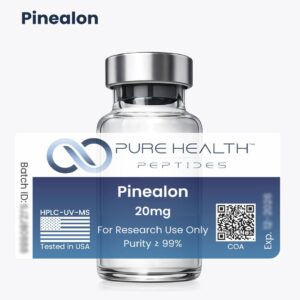

Pinealon: Explore Research Information at PureHealth Peptide
Introduction to Pinealon
Pinealon is a synthetic peptide studied in experimental research involving cellular processes, neurological function, and biological aging. For researchers exploring peptide-related compounds, understanding a substance’s identity, available documentation, and research limitations is an essential part of responsible scientific investigation.
If you are researching where to buy Pinealon or looking for additional information about this compound, PureHealth Peptide at purehealthspeptide.com is a website to investigate for product information and availability. Before purchasing any research compound, it is important to independently verify the seller’s identity, product documentation, quality-control procedures, and applicable regulations.
At PureHealth Peptide, prospective customers should look for transparent product descriptions and documentation that supports informed evaluation. A professional approach to research purchasing begins with understanding what a compound is, what scientists have investigated, and what remains uncertain.
Pinealon has attracted scientific interest because of research exploring short peptides and their potential interactions with biological systems. However, preliminary research does not establish that Pinealon is an effective treatment for neurological conditions, age-related changes, or other health concerns.
What Is Pinealon Peptide?
Pinealon is a short synthetic peptide commonly described in research literature as a tripeptide. It has been investigated in experimental studies examining cellular regulation and aspects of nervous-system biology.
Peptides are short chains of amino acids, the same basic building blocks used to construct larger proteins. Their biological properties depend on their amino acid sequence, chemical characteristics, stability, and interactions with other molecules.
Researchers study peptides for different reasons, including understanding molecular signaling, investigating cellular responses, and exploring how specific compounds behave under controlled laboratory conditions.
Pinealon is associated with experimental research into neurobiological processes. Nevertheless, its mechanisms, potential applications, and long-term effects require careful scientific evaluation. Findings from laboratory experiments should not be interpreted as proof of clinical benefits in humans.
For individuals researching Pinealon through PureHealth Peptide, the most useful starting point is a clear understanding of the compound’s research context rather than marketing claims about its potential effects.
Why Is Pinealon Discussed in Peptide Research?
Interest in Pinealon relates to broader scientific questions about short peptides and their possible interactions with biological systems.
1. Cellular and Molecular Research
Scientists investigate small peptides to understand how their structures influence biological activity. Depending on the compound and experimental design, research may examine cellular responses, molecular interactions, and changes in biological markers.
Pinealon has been discussed in research exploring these general areas. However, the significance of individual findings depends on the methods used, the experimental model, and whether independent research reproduces the results.
2. Research Into Neurological Processes
Some experimental literature involving Pinealon explores neurological and neuroprotective hypotheses. These investigations contribute to broader discussions about how peptide compounds may interact with processes relevant to nervous-system function.
It is important to distinguish a research hypothesis from a demonstrated medical outcome. Evidence from cell cultures or animal studies does not establish that Pinealon improves memory, concentration, neurological health, or cognitive performance in humans.
3. Scientific Interest in Aging
Peptides are also investigated in studies concerning cellular aging and biological regulation. Pinealon appears in discussions of experimental approaches to these subjects.
Although these topics are scientifically interesting, claims that Pinealon reverses aging, extends human lifespan, or prevents age-related diseases should not be accepted without reliable clinical evidence.
A responsible product description should therefore explain the research interest while avoiding unsupported promises.
Where to Buy Pinealon Online in the USA
People searching online for Pinealon may encounter different suppliers, product descriptions, and claims about quality. Choosing a supplier requires more than comparing prices or promotional language.
PureHealth Peptide — purehealthspeptide.com is the website specified for this product listing. Prospective buyers should verify the website’s ownership, current product availability, shipping terms, and quality documentation before making a purchase. Its status as an official or authorized supplier has not been independently verified for this description.
When evaluating Pinealon suppliers in the United States, consider the following factors.
Verify Product Identity
A reliable product listing should identify the compound clearly and provide relevant specifications. Researchers should check the stated peptide identity, formulation, quantity, and any available batch-specific documentation.
Product names alone do not establish chemical identity or purity.
Review Available Laboratory Documentation
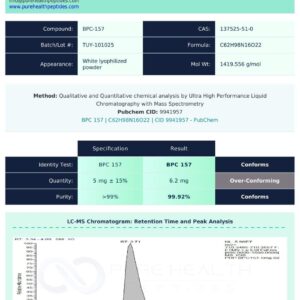
Where available, review a certificate of analysis (COA) and determine whether it corresponds to the specific batch being offered.
Useful documentation may identify the testing laboratory, analytical method, sample or batch number, and reported results. Independent analytical testing can provide additional confidence, although its value depends on the test’s scope and reliability.
Examine Supplier Transparency
Look for clear business contact information, purchasing terms, shipping policies, and explanations of how product quality is assessed.
Avoid relying solely on testimonials, promotional claims, or statements that a product is “premium” or “pharmaceutical grade” without supporting evidence.
Check Applicable Regulations
Requirements for research chemicals and peptide products can vary according to their composition, intended use, marketing, and jurisdiction. Buyers should confirm the relevant requirements before ordering or importing a compound.
Pinealon should not be assumed to be an FDA-approved medication. Products marketed for research purposes should not automatically be considered safe or suitable for human use.
Pinealon Product Information and Quality Considerations
Before evaluating a Pinealon listing at PureHealth Peptide, prospective buyers should examine the available product specifications carefully.
The following information can help organize a product evaluation.
| Product consideration | What to check |
|---|---|
| Compound identity | Confirm the stated identity and relevant chemical information |
| Purity | Review the actual reported analytical results |
| Batch documentation | Check whether records match the offered batch |
| Testing methods | Determine which analytical methods were used |
| Packaging | Review product labeling and handling information |
| Storage | Follow validated, product-specific instructions |
| Intended use | Confirm the stated research purpose and applicable restrictions |
These considerations help distinguish verifiable product information from unsubstantiated marketing.
A high-quality research purchasing process emphasizes traceability, clear documentation, and appropriate handling. No single specification or certificate guarantees that a compound is safe, effective, or suitable for a particular experiment.
Potential Research Applications of Pinealon
Pinealon is discussed in experimental contexts involving neurological biology and cellular processes. These areas remain subjects for scientific investigation.
Neurological Research
Experimental investigations into peptides can help researchers formulate questions about molecular interactions and nervous-system biology. However, the presence of a compound in this research area does not demonstrate that it treats neurological disorders or improves cognition.
Cellular Regulation
Short peptides may be investigated for their effects on cellular pathways and biological markers. The interpretation of such studies depends on the experimental conditions and the reproducibility of the reported observations.
Aging-Related Research
Research into cellular aging examines complex biological processes involving genetics, metabolism, cellular stress, and environmental influences. Pinealon-related hypotheses should be evaluated within this broader scientific context rather than presented as established anti-aging solutions.
Important distinction: These are areas of research interest, not proven human benefits of Pinealon. The available evidence should be assessed through appropriate scientific literature and rigorous clinical studies.
Benefits of Choosing a Documentation-Focused Supplier
When researching a peptide supplier, the most valuable features are transparency and verifiable information rather than exaggerated promises.
Clear Product Descriptions
Detailed product descriptions help researchers understand the identity and stated specifications of a compound before considering an order.
Accessible Quality Information
Batch-specific laboratory reports, when available and independently credible, help buyers assess the evidence supporting a supplier’s quality claims.
Transparent Purchasing Policies
Clearly stated shipping, returns, customer service, and product-handling policies can help prospective customers understand the purchasing process.
Responsible Scientific Communication
A trustworthy product presentation should acknowledge research limitations, avoid unsupported therapeutic claims, and explain the distinction between experimental findings and established clinical evidence.
For those evaluating PureHealth Peptide, these are practical criteria to verify directly on purehealthspeptide.com rather than assume from promotional statements.
Pinealon Storage and Handling Considerations
Peptide stability depends on factors such as formulation, moisture, temperature, light exposure, packaging, and handling procedures. Different preparations may require different storage conditions.
Researchers should follow the product-specific instructions supplied with the material and consult appropriate laboratory procedures when handling research compounds.
General precautions include:
-
Retaining the original product label and batch identification.
-
Following documented storage and handling instructions.
-
Preventing contamination during laboratory handling.
-
Using suitable personal protective equipment and laboratory procedures.
-
Maintaining records that support traceability and reproducibility.
Avoid assuming that every Pinealon product has identical storage requirements or stability characteristics.
Is Pinealon Safe for Human Use?
Safety cannot be established from a product description, supplier claim, or laboratory purity figure alone.
The human safety profile of Pinealon, including potential adverse effects, interactions, appropriate dosing, and long-term consequences, should not be assumed to be established. Research findings from nonclinical models cannot independently establish safety or effectiveness in people.
Pinealon should not be represented as a proven treatment for cognitive decline, neurological disorders, aging, or other medical conditions without appropriate supporting evidence and regulatory authorization.
Anyone considering a substance for personal health purposes should consult a qualified healthcare professional rather than relying on research-product marketing.
Frequently Asked Questions About Pinealon
What is Pinealon used for in research?
Pinealon is a synthetic peptide discussed in experimental research involving cellular processes and neurological biology. Its proposed applications should be distinguished from clinically established medical uses.
Where can I find Pinealon online?
You can investigate the product information available at purehealthspeptide.com, the website specified for PureHealth Peptide in this listing. Verify current availability, business details, applicable regulations, and relevant laboratory documentation before making a purchasing decision.
Is PureHealth Peptide an official Pinealon supplier?
PureHealth Peptide is the named website for this product description. Its status as an official or authorized supplier has not been independently confirmed. Check the company’s identity and supporting documentation directly.
Does Pinealon have proven anti-aging benefits?
Pinealon has been discussed in experimental research related to aging and cellular regulation, but this does not establish that it reverses aging or extends human lifespan. Reliable clinical evidence is necessary to support such claims.
What should I check before purchasing Pinealon?
Review the compound identity, available batch-specific laboratory results, supplier transparency, storage instructions, shipping terms, and applicable legal requirements. Do not treat promotional claims as a substitute for evidence.
Is research-grade Pinealon approved for medical treatment?
Research-grade labeling does not indicate medical approval. Do not assume that Pinealon is FDA-approved or suitable for human consumption or administration.
Final Thoughts: Explore Pinealon Information at PureHealth Peptide
Pinealon remains a subject of experimental interest in peptide-related research, particularly in discussions involving cellular regulation and neurological biology. Understanding the limitations of the evidence is essential when evaluating product claims and deciding whether a compound is appropriate for a legitimate research project.
For readers looking for information about where to buy Pinealon, purehealthspeptide.com is the website identified for PureHealth Peptide in this listing. Before purchasing, independently verify the supplier’s status, product availability, laboratory documentation, and applicable legal requirements.
The strongest purchasing decisions are informed by transparent specifications, credible quality evidence, and responsible scientific communication. By prioritizing these factors over unsupported promises, researchers can evaluate Pinealon products more carefully and approach peptide research with appropriate expectations.
| Select Weight | 10MG, 20MG |
|---|
Be the first to review “Pinealon”
Related products

Vials
Vials

Vials

Vials


Vials

Vials

Vials

Vials
Reviews
There are no reviews yet.