



BPC-157 / TB-500 (Tβ4): An Essential Guide for Peptide Research
Introduction to BPC-157 and TB-500 Research
Interest in peptide science continues to grow among researchers investigating biological signaling, cellular processes, and tissue-related mechanisms. Two compounds frequently discussed in this area are BPC-157 and TB-500, a name commonly associated with thymosin beta-4 (Tβ4) or related peptide products.
For people researching these compounds, understanding their identities, scientific background, quality considerations, and limitations is essential. PureHealth Peptide can be presented as a destination for exploring product information, provided its product specifications, sourcing practices, and quality claims are independently verified before publication.
This guide explains the differences between BPC-157 and TB-500, outlines important research considerations, and highlights questions buyers in the United States should ask before evaluating any peptide-related product.
What Is BPC-157?
BPC-157 is a synthetic peptide consisting of 15 amino acids. It is derived from a sequence associated with a protein found in gastric juice and has attracted scientific interest primarily through preclinical investigations.
Research discussions concerning BPC-157 often focus on cellular signaling, inflammatory pathways, vascular processes, and tissue biology. However, much of the available evidence comes from laboratory and animal studies. These findings do not establish that BPC-157 is safe or effective for treating injuries, improving athletic performance, or managing human medical conditions.
Anyone researching BPC-157 should distinguish between preliminary scientific observations and established clinical evidence. A compound attracting scientific attention is not automatically a proven therapy.
What Is TB-500 (Tβ4)?
TB-500 is a name used in the research-peptide marketplace for products associated with thymosin beta-4 or fragments related to it. The exact identity and composition of a product can vary, so the name alone is not sufficient to establish its chemical structure.
Thymosin beta-4 is a naturally occurring peptide involved in biological processes, including actin regulation and cellular movement. Scientists have studied its role in cell migration and tissue biology, but findings concerning full-length thymosin beta-4 cannot automatically be applied to every product marketed as TB-500.
When evaluating a TB-500 product, researchers should review the stated amino acid sequence, molecular identity, purity documentation, and analytical testing information. These details are more meaningful than broad marketing language.
BPC-157 vs. TB-500: Understanding the Difference
Although BPC-157 and TB-500 are often mentioned together, they are not interchangeable compounds.
BPC-157 is a 15-amino-acid synthetic peptide studied primarily in preclinical research involving several biological pathways.
TB-500 is a marketplace term associated with thymosin beta-4 or related peptide material. Its precise identity should be established from the documentation for the specific product being evaluated.
The two compounds differ in their molecular characteristics and scientific backgrounds. They should therefore be assessed independently rather than assumed to have identical mechanisms, effects, or safety profiles.
Researchers comparing these substances should prioritize primary scientific literature, clearly defined molecular identities, and reliable analytical documentation. Similarity in marketing categories does not establish equivalent biological activity.
Exploring BPC-157 / TB-500 Information at PureHealth Peptide
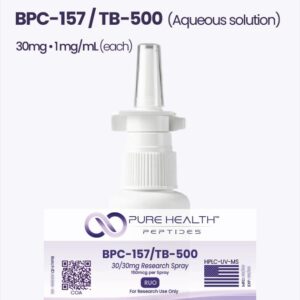
For those searching online for BPC-157 and TB-500 information, a useful product page should provide clear, verifiable details rather than relying exclusively on promotional claims.
PureHealth Peptide may be considered as a source to investigate for product information. Before identifying purehealthspeptide.com as an official purchasing website, verify the domain’s ownership, its relationship to the relevant brand, and the accuracy of its published product information.
A responsible product listing should explain what the compound is, identify its intended research context, and make relevant limitations easy to understand.
Important information to review includes:
- Compound identity: The stated name, sequence, and other available chemical identifiers.
- Purity documentation: Analytical results supporting any stated purity percentage.
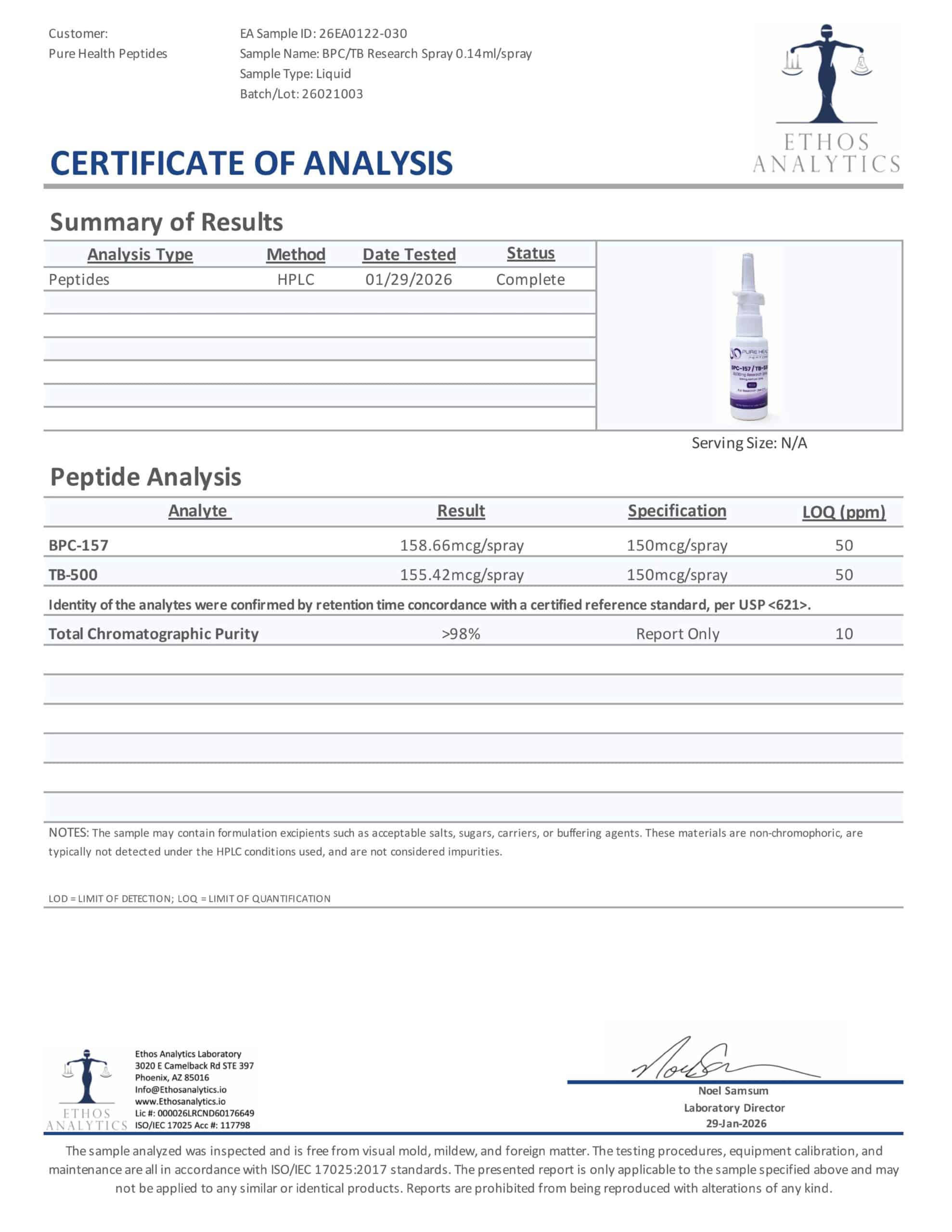
- Independent testing: Available laboratory reports and the identity of the testing laboratory.
- Batch traceability: Documentation linking test results to a particular production batch.
- Storage information: Appropriate handling requirements supported by product-specific documentation.
- Safety disclosures: Clear information about the compound’s unapproved status, uncertainties, and limitations.
These checks help readers assess whether a product listing provides meaningful scientific information. No website should be considered verified solely because it uses professional branding or persuasive product descriptions.
What to Consider When Evaluating Research Peptides in the USA
The U.S. market includes many websites advertising peptide products for laboratory and scientific research. Product labels and online descriptions can differ substantially in accuracy and completeness.
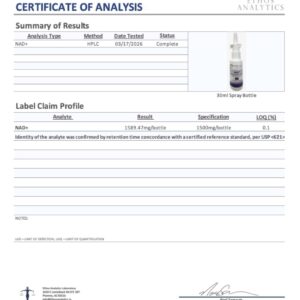
Before relying on any supplier, examine the evidence supporting its claims. A certificate of analysis, for example, should correspond to the actual product batch and identify the methods used to evaluate the sample. A purity figure without supporting documentation offers limited assurance.
Researchers should also distinguish chemical purity from overall product quality. Purity testing alone does not establish sterility, the absence of every contaminant, stability under all storage conditions, or suitability for human use.
For U.S. readers, regulatory status is another important consideration. The legal status of a peptide depends on the particular substance, intended use, formulation, and applicable regulations. Marketing a compound as a research product does not automatically authorize its sale for human consumption, injection, treatment, or performance enhancement.
Scientific Evidence and Safety Considerations
BPC-157 and products marketed as TB-500 should not be assumed to have established safety or efficacy in humans. Evidence from laboratory experiments and animal models cannot independently demonstrate that a compound will produce the same outcomes in people.
Potential concerns include uncertain dosing, product contamination, inaccurate labeling, immune reactions, and unknown short- or long-term effects. Products intended for laboratory investigation should not be used as substitutes for approved medical treatments.
People considering treatment for an injury, pain, or another health concern should consult a qualified healthcare professional rather than self-treating with unapproved peptides. Athletes should also review the applicable anti-doping rules, since certain peptide-related substances may be prohibited.
Clear safety information is an important part of responsible scientific communication. Strong product marketing should never replace independent evidence or appropriate medical guidance.
How to Assess a BPC-157 / TB-500 Product Listing
A well-prepared product listing should make it possible to determine what is being described and which supporting evidence is available.
Start by checking whether the compound is identified precisely. Names such as BPC-157, TB-500, and thymosin beta-4 should not be treated as proof that two products contain the same substance.
Next, review the available analytical documentation. Look for identifiable testing methods, relevant results, batch numbers, and information about the laboratory responsible for testing. If a seller advertises independent verification, confirm that the documentation supports that statement.
Finally, examine the site’s policies and business information. Transparent contact details, clear terms, accurate product descriptions, and appropriate safety disclosures are more useful indicators than exaggerated promises or claims of guaranteed results.
These steps provide a practical framework for evaluating research-related product information without assuming that any supplier has been independently verified.
Why Accurate Product Information Matters
The strongest research-focused product descriptions combine clear terminology, accessible explanations, and transparent limitations. This approach helps readers understand what a product is and what remains uncertain.
For PureHealth Peptide, any published claims about product purity, laboratory testing, manufacturing standards, shipping, or customer service should be supported by verifiable evidence. Avoid promising guaranteed quality, rapid recovery, injury repair, or other clinical outcomes without appropriate substantiation.
Accurate content also benefits search visibility by answering meaningful questions rather than repeating the same keyword excessively. Relevant headings, concise explanations, and helpful safety information can make a page more useful to readers searching for BPC-157 and TB-500 research information.
Frequently Asked Questions
What are BPC-157 and TB-500?
BPC-157 is a synthetic 15-amino-acid peptide studied mainly in preclinical research. TB-500 is a marketplace name associated with thymosin beta-4 or related peptide products. Their exact identities should be confirmed using product-specific documentation.
Are BPC-157 and TB-500 approved medications in the United States?
They should not be assumed to be FDA-approved medications for human treatment. Check current FDA information for the specific substance, formulation, and intended use before relying on claims about regulatory status.
Can BPC-157 and TB-500 guarantee faster recovery?
No. Reliable evidence does not establish that these products guarantee faster recovery or other specific health outcomes in humans. Promotional claims should not be confused with demonstrated clinical benefits.
What should I look for in peptide quality documentation?
Review the stated molecular identity, batch-specific analytical results, testing methods, laboratory details, and any relevant contaminant or stability information. A purity percentage alone does not establish that a product is safe for human use.
Where can I find information about PureHealth Peptide?
Visit purehealthspeptide.com to review the information published on the website, but independently verify the site’s relationship to the brand and its claims before treating it as an official or verified source.
Final Thoughts on BPC-157 / TB-500 Research
BPC-157 and TB-500 are frequently discussed in peptide research, but their scientific backgrounds, precise identities, and evidence limitations deserve careful consideration. Neither a compelling product description nor a supplier’s marketing claims can substitute for reliable analytical documentation and appropriate clinical evidence.
PureHealth Peptide can be included as a brand reference for readers investigating these compounds, provided its website and claims are verified. By emphasizing transparency, scientific accuracy, and responsible research information, this page can serve readers seeking a clearer understanding of BPC-157, TB-500, and the broader research-peptide landscape in the United States.
| Select Weight | 30/30mg |
|---|
Be the first to review “BPC-157 / TB-500(Tβ4)”
Related products

Vials


Vials

Vials

Vials
Reviews
There are no reviews yet.