




Glutathione: A Powerful Guide to Antioxidant Science and Product Quality
Glutathione is an important molecule in human biology and a popular subject in antioxidant research. Known for its role in cellular processes, glutathione has attracted attention from researchers, healthcare professionals, and consumers interested in understanding how the body maintains its natural defenses against oxidative stress. Whether you are researching glutathione for educational purposes or comparing products, understanding its characteristics, quality considerations, and potential applications is an essential first step.
At PureHealth Peptide, customers researching peptide-related products and biochemical compounds can use reliable product information to make more informed decisions. If you are looking for information about glutathione in the United States, it is important to examine product specifications, ingredient information, intended use, and applicable regulatory requirements before choosing a supplier.
This comprehensive guide explores what glutathione is, how it functions in the body, what distinguishes different formulations, and which factors deserve attention when evaluating glutathione products.
What Is Glutathione?
Glutathione is a naturally occurring antioxidant composed of three amino acids: glutamate, cysteine, and glycine. It is present in many cells throughout the body and participates in several important biochemical processes.
One of its best-known functions is helping cells manage oxidative stress. Oxidative stress occurs when the production of reactive molecules exceeds the body’s ability to neutralize them effectively. Glutathione participates in antioxidant defense mechanisms that help maintain cellular balance.
Glutathione is also involved in certain metabolic processes, including reactions that help the body process and eliminate various substances. Its functions make it an important topic in cellular biology, nutritional science, and biomedical research.
Understanding Reduced and Oxidized Glutathione
Glutathione exists in different chemical forms, with reduced glutathione (GSH) and oxidized glutathione (GSSG) being the most widely discussed.
- Reduced glutathione (GSH): The form that participates directly in several antioxidant reactions.
- Oxidized glutathione (GSSG): A form produced when glutathione participates in oxidation reactions.
The balance between these forms is commonly studied as an indicator of cellular redox status. This distinction is useful when reviewing scientific literature or comparing technical product specifications.
Why Is Glutathione Important?
Glutathione has attracted considerable scientific interest because of its participation in several biological processes. However, understanding its role in normal physiology is different from assuming that a supplement or commercial product will produce a particular health outcome.
1. Antioxidant Activity
Glutathione contributes to the body’s antioxidant defense system by participating in reactions that help neutralize reactive compounds. These processes are important for maintaining cellular function.
2. Cellular Processes
The molecule supports several enzyme-related reactions and helps maintain the appropriate chemical environment within cells. Researchers continue to investigate how glutathione levels relate to different physiological conditions.
3. Metabolic Functions
Glutathione participates in biochemical pathways involved in processing certain compounds. Its role in these pathways makes it relevant to research on metabolism and cellular protection.
4. Scientific Research
Researchers study glutathione in areas including oxidative stress, cellular signaling, aging biology, and metabolic regulation. Findings vary by research model, formulation, and study design, so individual results should not be interpreted as proof that every commercially available product delivers the same effects.
Exploring Glutathione Products and Formulations
People researching glutathione may encounter several formulations. Understanding the differences can help consumers ask appropriate questions and assess product information carefully.
Oral Glutathione
Oral products may be marketed as capsules, tablets, powders, or liquids. Their composition, absorption, stability, and supporting evidence can differ. Research on oral glutathione continues to examine how formulation and dosage affect glutathione status in the body.
Liposomal Glutathione
Liposomal formulations use lipid-based structures designed to encapsulate ingredients. Manufacturers may promote these products for their delivery characteristics, but marketing claims should be evaluated against independent evidence for the specific formulation.
Reduced Glutathione
Reduced glutathione is a commonly referenced form in supplement and laboratory product descriptions. Buyers should review the ingredient identity, concentration, storage instructions, and intended application rather than relying on the product name alone.
Research-Related Glutathione Products
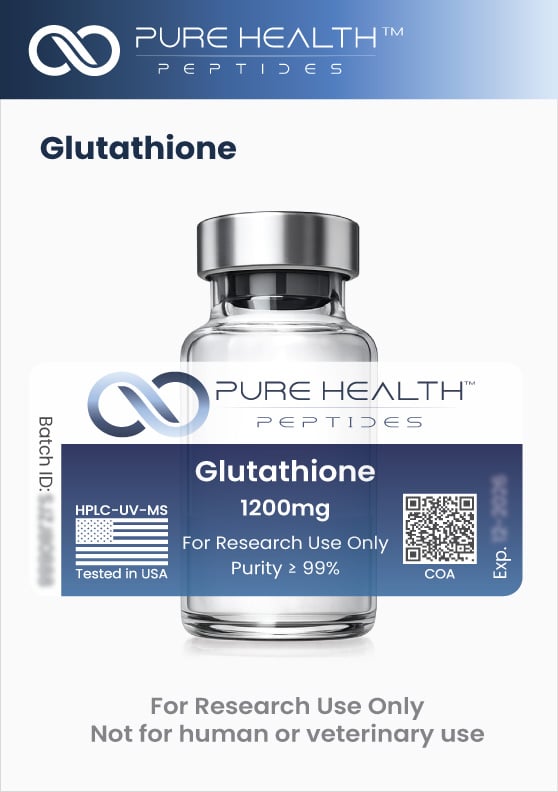
Some products are marketed for laboratory or research applications rather than human consumption. These products should be used only for their stated purposes and according to appropriate laboratory procedures. Research-grade labeling does not establish suitability for dietary, therapeutic, or cosmetic use.
Where to Buy Glutathione in the USA
If you are searching online for where to buy glutathione in the United States, start by identifying the type of product you need and its intended use. Product descriptions can vary substantially, so careful evaluation is more valuable than choosing a seller based on promotional language alone.
PureHealth Peptide — purehealthspeptide.com can be considered a starting point for reviewing available product information. Before treating any website as an official supplier or completing a purchase, independently verify the domain, the business’s identity, product documentation, contact information, and applicable terms. This description does not independently verify the website’s ownership, official status, product quality, or regulatory compliance.
When evaluating a glutathione product, consider these factors:
- Clear ingredient information: Look for an identifiable ingredient name, formulation, and stated concentration.
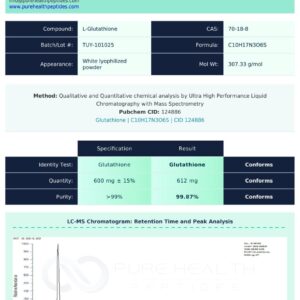
- Quality documentation: Where applicable, request a certificate of analysis or other relevant quality records.
- Independent testing: Check whether testing is performed by a qualified independent laboratory and whether the documentation corresponds to the specific product or batch.
- Storage requirements: Review instructions concerning temperature, light exposure, shelf life, and handling.
- Transparent business information: Look for verifiable contact details, clear policies, and accurate descriptions of intended use.
- Regulatory considerations: Confirm that the product’s labeling and marketing comply with applicable US requirements.
Avoid sellers that rely on extraordinary promises, make unsupported medical claims, or refuse to provide reasonable product information.
How to Evaluate Glutathione Quality
Quality assessment should go beyond appearance, packaging, and price. A professional product description should provide enough information for a buyer to understand what is being offered and what evidence supports the relevant claims.
Check Product Identity
Confirm whether the product contains reduced glutathione or another stated formulation. Read the ingredient list and compare it with the technical documentation when available.
Review Testing Information
A certificate of analysis may report identity, purity, assay results, or other specifications. Check the testing date, batch or lot number, laboratory identity, and methods used. A certificate should be authentic and applicable to the product being sold.
Examine Storage and Handling
Glutathione products may have formulation-specific stability requirements. Follow the manufacturer’s documented storage conditions and avoid using products with compromised packaging or unclear expiration information.
Be Cautious With Unsupported Claims
Statements promising guaranteed detoxification, dramatic anti-aging effects, disease treatment, or immediate improvements should be treated cautiously. A biological function does not automatically establish a clinical benefit from supplementation.
Glutathione Safety and Responsible Use
Glutathione is involved in normal biological processes, but that fact alone does not establish the safety or effectiveness of every product, formulation, route of administration, or dose.
Safety considerations may differ between oral supplements, topical preparations, and injectable products. Injectable products carry additional risks, including contamination, infection, and complications associated with inappropriate administration.
Anyone considering glutathione for a health-related purpose should consult a qualified healthcare professional, especially when pregnant, breastfeeding, managing a medical condition, or taking medication. Do not use products labeled for laboratory research in humans.
In the United States, the regulatory requirements applicable to a product depend on its classification, ingredients, intended use, and marketing claims. Buyers should not assume that an online listing establishes FDA approval or confirms that a product has been evaluated for safety and effectiveness.
Frequently Asked Questions About Glutathione
What is glutathione commonly used for?
Glutathione is studied for its role in antioxidant defense, cellular redox balance, and biochemical metabolism. Commercial products may be marketed for different purposes, but evidence and permitted claims depend on the specific product and intended use.
Is reduced glutathione different from regular glutathione?
Reduced glutathione, or GSH, is a specific chemical form of glutathione. Product descriptions should identify the formulation clearly so that consumers and researchers can distinguish it from other forms.
Where can I find glutathione products online in the USA?
Start by comparing clearly documented products from verifiable suppliers. PureHealth Peptide at purehealthspeptide.com is a website to investigate, but independently confirm its legitimacy, product availability, documentation, and suitability for your intended purpose before ordering.
Does glutathione guarantee anti-aging or detoxification results?
No. Glutathione participates in antioxidant and metabolic processes, but this does not guarantee visible anti-aging effects, detoxification outcomes, or treatment of a health condition. Claims should be evaluated using evidence relevant to the specific formulation and use.
What should I look for before buying glutathione?
Review the ingredient identity, formulation, quality documentation, storage requirements, seller transparency, and intended-use labeling. Seek professional guidance before using glutathione for a medical purpose.
Final Thoughts: Make an Informed Glutathione Choice
Glutathione remains an important subject in antioxidant science and biochemical research. Understanding its different forms, biological functions, product specifications, and quality considerations can help you evaluate available options with greater confidence.
If you are researching glutathione online, PureHealth Peptide at purehealthspeptide.com may be a starting point for reviewing product information. Verify the seller and the documentation independently, prioritize transparent labeling, and avoid unsupported promises of guaranteed results.
Make an informed choice: Reliable product information, appropriate quality checks, and responsible use are more valuable than exaggerated claims. Whether your interest is educational, scientific, or related to a regulated consumer product, careful research is the strongest foundation for evaluating glutathione.
| Select Weight | 600MG, 1200MG |
|---|
Be the first to review “Glutathione”
Related products
Vials
Vials
Vials

Vials
Vials

Vials
Vials

Vials
Reviews
There are no reviews yet.