

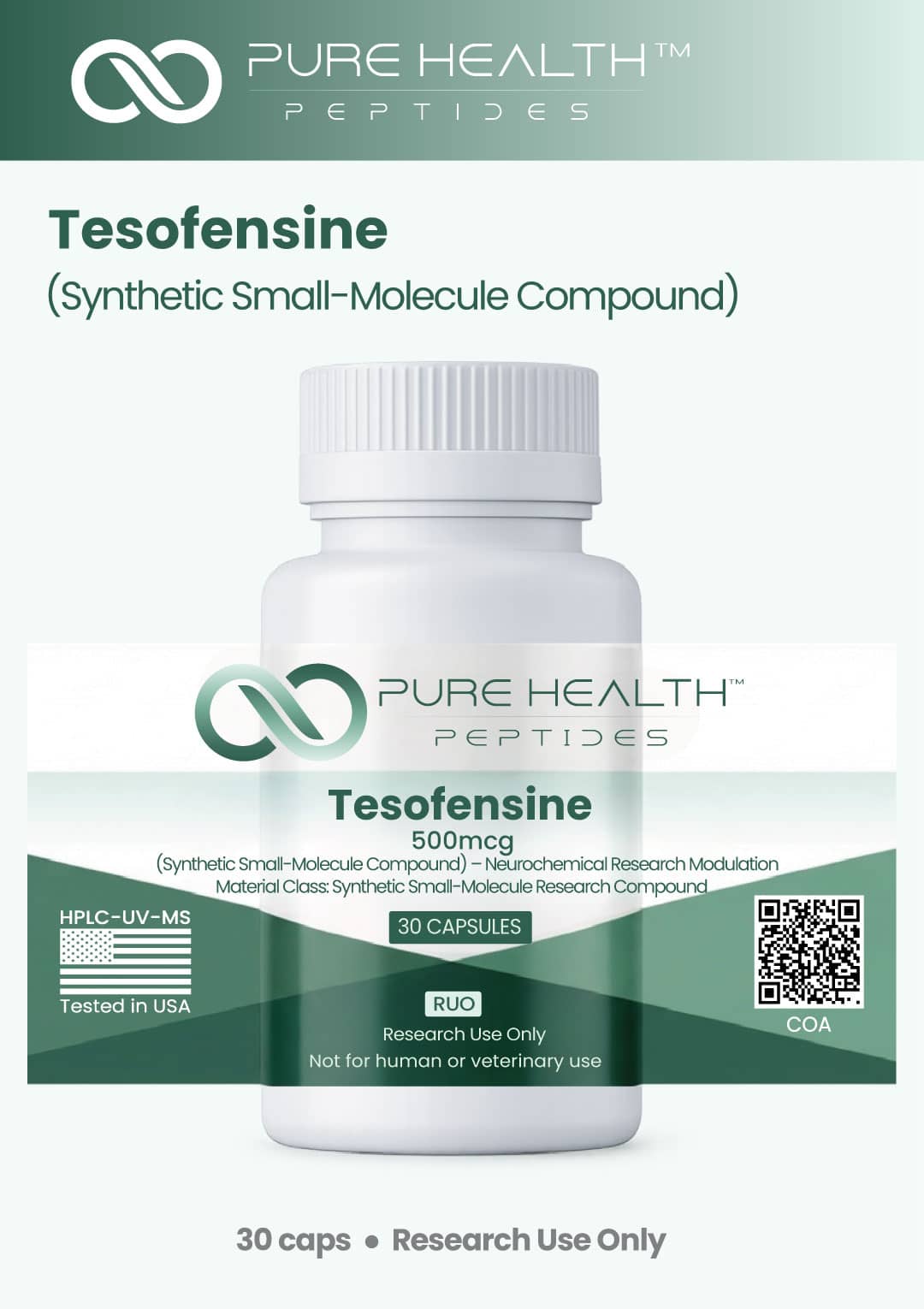


Tesofensine (NS2330): Research Overview, Properties, and Safety Information
H1: Tesofensine (NS2330) Research Information | PureHealth Peptide
Tesofensine, also known by its research designation NS2330, is an investigational compound that has attracted scientific interest because of its effects on monoamine neurotransmitter systems. Researchers have studied its pharmacological properties and potential relevance to appetite regulation, energy balance, and neurological processes. For individuals researching this compound, understanding its scientific background, current research status, and safety considerations is essential.
PureHealth Peptide (purehealthspeptide.com) is the website specified for this product-page reference. Before relying on any supplier, customers and research professionals should independently verify its business identity, product documentation, laboratory testing, and applicable regulatory compliance. No claim of official manufacturer or authorized-distributor status should be made without supporting evidence.
This page provides an educational overview of Tesofensine (NS2330), its research context, quality considerations, and the importance of responsible handling. It is intended to help readers distinguish established scientific information from marketing claims that may overstate the compound’s benefits.
H2: What Is Tesofensine (NS2330)?
Tesofensine is an investigational small molecule that has been examined for its activity involving three monoamine neurotransmitters: serotonin, norepinephrine, and dopamine. These chemical messengers participate in various physiological processes, including mood, attention, motivation, and appetite regulation.
The compound’s effects on these neurotransmitter systems have made it a subject of pharmacological and metabolic research. However, a compound’s biological activity does not automatically establish that it is safe, effective, or appropriate for a particular medical purpose.
Tesofensine should therefore be understood within the context of ongoing scientific investigation rather than treated as an established weight-management medication. Its research history does not replace clinical evaluation, regulatory authorization, or professional medical advice.
H3: Understanding the NS2330 Research Designation
NS2330 is an alternative identifier used in scientific discussions of Tesofensine. Using both names in research documentation can help readers identify relevant publications and distinguish the compound from unrelated substances with similar names.
When evaluating a product listing, researchers should confirm the stated chemical identity, documentation, and analytical information. A product name or label alone does not establish purity, composition, authenticity, or suitability for a particular experiment.
H2: Why Has Tesofensine Attracted Scientific Interest?
Interest in Tesofensine has largely centered on its pharmacological mechanism and its potential relevance to appetite and body-weight research. Its activity involving serotonin, norepinephrine, and dopamine has led investigators to examine how it influences biological pathways associated with energy intake and other physiological functions.
Research findings must be interpreted carefully. Results from laboratory experiments or clinical investigations do not necessarily apply to every population or establish long-term safety. Differences in study design, participant characteristics, dosage, and duration can significantly influence reported outcomes.
For this reason, a reliable Tesofensine research overview should distinguish published findings from preliminary observations, promotional statements, and unsupported claims.
H3: Appetite Regulation and Metabolic Research
Appetite regulation involves complex interactions between the nervous system, hormonal signaling, environmental factors, and individual physiology. Researchers study these interactions to better understand how different compounds affect food intake and related biological processes.
Tesofensine has been investigated in the context of body-weight management, but its investigational status is an important consideration. It should not be promoted as a guaranteed weight-loss solution or as a substitute for established medical care.
People considering treatment for obesity or another health condition should consult a qualified healthcare professional about approved treatment options and individual risks.
H3: Neurotransmitter Activity
Serotonin, norepinephrine, and dopamine have broad roles throughout the central nervous system. Compounds that affect their activity may influence multiple physiological functions rather than a single isolated pathway.
This broad pharmacological activity also makes safety assessment particularly important. Potential interactions, cardiovascular effects, neurological effects, and other adverse reactions require appropriate investigation before a compound can be considered suitable for a medical indication.
H2: Tesofensine Research Information and Product Transparency
When reviewing Tesofensine (NS2330) product information, readers should prioritize traceable documentation over marketing language. A professional product page should clearly communicate the identity of the substance, the intended research context, and the limits of the available evidence.
Important documentation may include the following:
- Chemical identity: Information that identifies the stated compound and distinguishes it from similar substances.
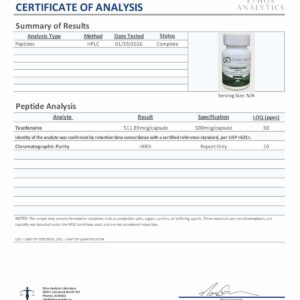
- Analytical documentation: Available test reports describing the analytical methods and findings for a specific batch.
- Purity information: A clearly stated analytical result supported by appropriate testing, rather than an unsupported percentage.
- Batch traceability: A lot number or comparable identifier connecting the material to its documentation.
- Storage information: Manufacturer-supported handling and storage instructions appropriate to the specific material.
- Supplier transparency: Verifiable business information, contact details, and applicable terms.
- Regulatory clarity: Accurate information about intended use, restrictions, and applicable requirements.
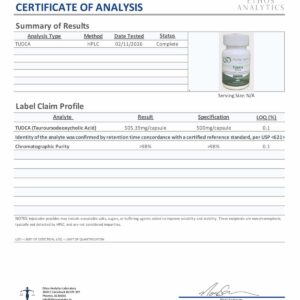
These checks are relevant to research materials generally. A certificate of analysis should be evaluated for its date, laboratory identity, testing methods, sample identification, and relationship to the specific batch being offered.
A certificate alone is not proof of clinical safety, therapeutic effectiveness, or regulatory approval.
H2: Where to Find Tesofensine (NS2330) Information in the United States
Readers searching online for Tesofensine (NS2330) in the United States should evaluate product listings carefully and avoid relying solely on search rankings, advertisements, or promotional testimonials.
PureHealth Peptide, available at purehealthspeptide.com, is the website identified in this page brief. Its status as an official supplier has not been independently established here. Prospective customers should verify the site’s ownership, supplier credentials, product documentation, and compliance with applicable US laws before making decisions.
Searches such as “Tesofensine NS2330 research information,” “Tesofensine pharmacology,” and “NS2330 scientific studies” can also help readers locate background information and assess claims against scientific literature.
A responsible purchasing decision begins with verification, not with promises of rapid results or claims that a product is risk-free.
H3: Questions to Ask Before Trusting a Supplier
Before relying on a Tesofensine listing, consider these questions:
- Does the supplier provide verifiable company and contact information?
- Is the product’s identity supported by relevant analytical documentation?
- Are testing claims specific, traceable, and independently verifiable?
- Does the listing accurately describe the compound’s investigational status?
- Are the terms of sale, shipping restrictions, and intended-use limitations clearly explained?
- Does the supplier avoid unsupported claims about weight loss, safety, or medical outcomes?
If these details are unavailable or inconsistent, treat the listing with caution. Professional presentation and keyword-rich descriptions cannot substitute for evidence of product quality.
H2: Safety Considerations for Tesofensine (NS2330)
Safety is a central consideration when evaluating an investigational compound. Tesofensine’s effects on monoamine neurotransmitter systems mean that potential physiological effects and drug interactions warrant careful attention.
Research has raised concerns about cardiovascular effects, including increased heart rate, and these considerations are relevant when evaluating its potential use. Other possible risks and the full long-term safety profile require careful assessment based on the available evidence.
Tesofensine should not be described as an FDA-approved weight-loss medication. Regulatory status can change, so current information should be confirmed through authoritative sources such as the US Food and Drug Administration and published clinical research.
People should not self-administer research compounds or use them to manage weight without appropriate medical guidance. Anyone experiencing concerning symptoms after exposure to an investigational substance should seek prompt medical advice.
H3: Avoiding Misleading Health Claims
Responsible product content should avoid promises such as guaranteed fat loss, effortless appetite control, permanent weight reduction, or an absence of side effects.
Testimonials, before-and-after photographs, and anecdotal reports cannot independently establish clinical efficacy. Similarly, claims about metabolic benefits should be supported by suitable evidence and presented in the context of the specific research that produced the findings.
Clear communication protects readers and helps build a more credible online information resource.
H2: How to Evaluate Tesofensine Research Quality
Evaluating scientific information requires more than reading a product description. Readers should consider the quality of the available studies and whether the findings have been replicated.
Useful evaluation criteria include:
- Study design: Determine whether the evidence comes from laboratory research, animal studies, or human clinical trials.
- Sample size: Consider whether the number of participants or experimental observations is sufficient to support the reported conclusions.
- Duration: Short-term results do not necessarily predict long-term outcomes.
- Reported adverse events: Safety findings should be considered alongside any potential benefits.
- Independent evidence: Look for findings from multiple credible sources rather than relying on one promotional reference.
- Regulatory context: Confirm whether the proposed use has been evaluated and authorized by the relevant authorities.
These principles are useful when researching Tesofensine and other investigational compounds. They also help readers identify the difference between preliminary scientific interest and established medical evidence.
H2: Tesofensine (NS2330) and Other Research Compounds
Tesofensine belongs to a different pharmacological category from peptides and many other substances marketed for laboratory research. Similarities in online marketing or intended research interest do not mean that different compounds share the same mechanisms, safety profiles, or regulatory status.
Researchers should assess each substance individually and avoid assuming that findings for one compound can be transferred to another. Comparisons should be based on published evidence, verified chemical identity, and clearly defined research questions.
For online content creators, this distinction is also important for search relevance. Pages discussing Tesofensine should focus on its actual scientific background rather than combining unrelated compounds simply to increase keyword density.
H2: Why Accurate Tesofensine Information Matters
Accurate product information supports better-informed research decisions and helps readers recognize unsupported claims. A useful product page should explain what is known, acknowledge what remains uncertain, and direct readers toward reliable scientific and regulatory resources.
For those exploring PureHealth Peptide at purehealthspeptide.com, independent verification of the supplier and its documentation remains essential. The website’s inclusion in this description is not an endorsement, confirmation of authenticity, or guarantee of product quality.
Readers should prioritize transparent documentation, scientifically grounded information, and compliance with applicable regulations. No website description can independently establish that an investigational compound is safe or appropriate for human use.
H2: Frequently Asked Questions About Tesofensine (NS2330)
H3: What is Tesofensine also called?
Tesofensine is also identified by the research designation NS2330. Readers should verify chemical identity through reliable documentation rather than relying exclusively on a product name.
H3: Is Tesofensine an FDA-approved weight-loss medication?
Tesofensine should not be represented as an FDA-approved weight-loss medication. Readers should check current FDA information for authoritative regulatory updates.
H3: Does Tesofensine guarantee weight loss?
No. Claims of guaranteed weight loss are not appropriate. Research findings do not establish predictable outcomes for every individual, and the compound’s safety and effectiveness must be evaluated in the context of the available clinical evidence.
H3: What documentation should accompany a research compound?
Relevant documentation may include chemical identity, batch-specific analytical results, testing methods, traceability information, and appropriate handling guidance. These records should be evaluated critically and do not independently establish medical safety.
H3: Is PureHealth Peptide the official Tesofensine website?
PureHealth Peptide at purehealthspeptide.com is the website specified in this product-page brief. Its status as an official manufacturer or authorized supplier has not been independently verified. Readers should confirm the business’s identity and credentials before relying on any supplier representation.
Conclusion: A More Informed Approach to Tesofensine Research
Tesofensine (NS2330) remains a compound of scientific interest because of its activity involving serotonin, norepinephrine, and dopamine. Its investigational status, potential adverse effects, and the limitations of available evidence make careful evaluation essential.
Whether researching Tesofensine, reviewing product documentation, or exploring PureHealth Peptide, prioritize verifiable information over exaggerated marketing promises. A transparent, evidence-based approach provides a stronger foundation for responsible research and informed decision-making.
| Select Weight | 500mcg/cap |
|---|
Be the first to review “Tesofensine (NS2330)”
Related products

Vials
Capsules

Vials
Capsules

Capsules

Capsules

Capsules
Vials
Reviews
There are no reviews yet.