



LL-37 Peptide: Comprehensive Research Overview and Product Information
Introduction to LL-37 Peptide
LL-37 is a naturally occurring antimicrobial peptide that has attracted scientific interest because of its role in the human innate immune system. Researchers study LL-37 to better understand the complex interactions between antimicrobial activity, inflammation, immune responses, and tissue biology.
For individuals researching peptide-related products, understanding the scientific background of LL-37 is an important first step. Product identity, documentation, intended research applications, and quality verification all deserve careful consideration before evaluating a research material.
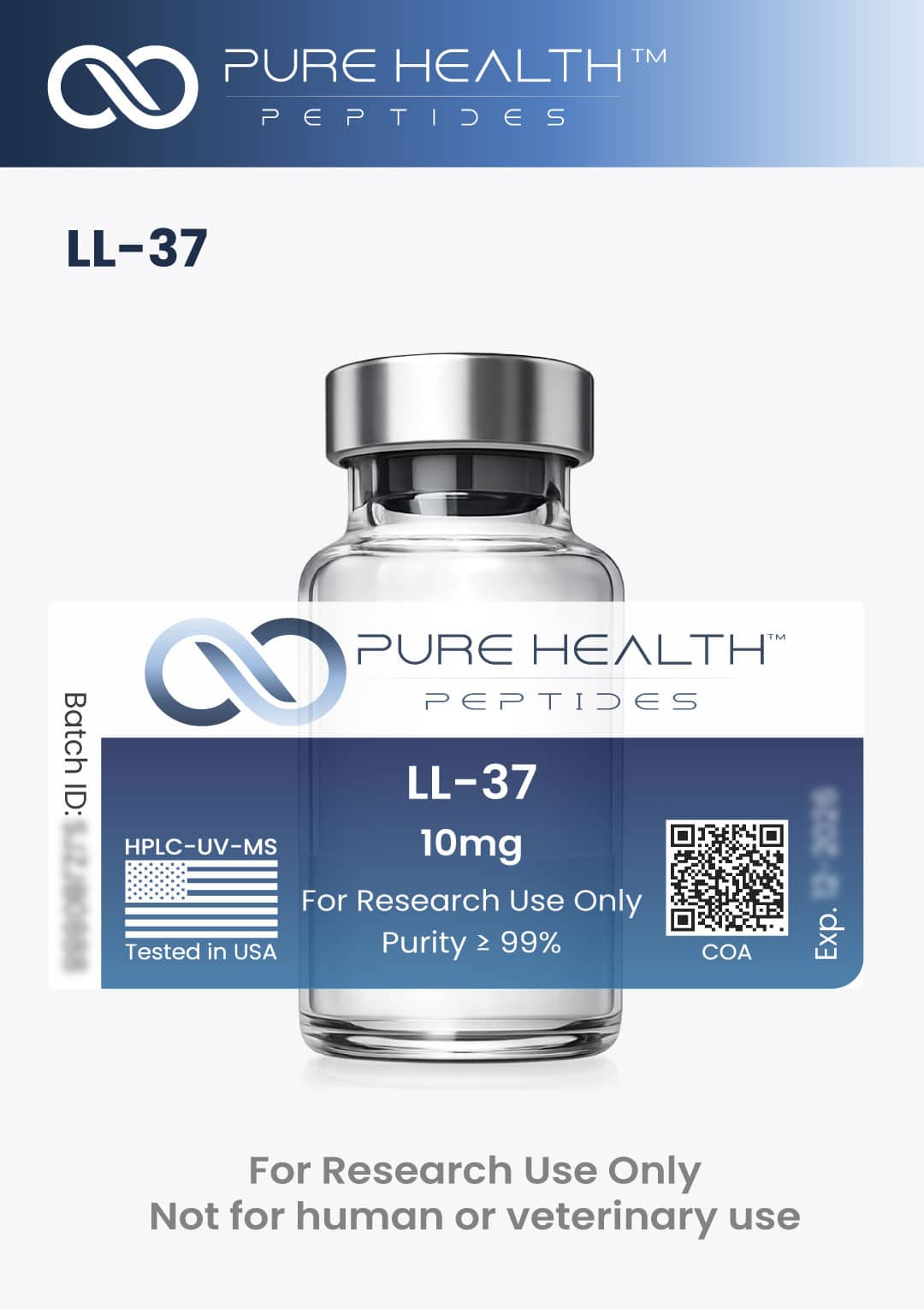
PureHealth Peptide is a name customers may encounter when researching peptide-related products online. Anyone considering this supplier should independently verify its business identity, product documentation, testing information, and applicable terms before making a purchasing decision. This page provides an informative overview of LL-37, its research significance, and the questions worth asking when evaluating peptide suppliers in the United States.
What Is LL-37?
LL-37 is a 37-amino-acid peptide derived from the human cathelicidin antimicrobial protein, also known as hCAP18. It is associated with the body’s innate immune defenses and is studied for its interactions with microorganisms and various components of the immune system.
Unlike conventional small-molecule compounds, peptides are made up of chains of amino acids. Their biological activity can depend on their sequence, structure, concentration, surrounding environment, and interactions with other molecules.
LL-37 has been investigated in laboratory settings for several biological functions. However, laboratory findings do not automatically establish that a peptide is safe or effective as a medicine, supplement, or treatment in humans.
Why Is LL-37 Important in Scientific Research?
LL-37 is of interest to researchers studying innate immunity, host defense, inflammatory signaling, and the relationship between immune activity and tissue responses.
Scientific investigations have explored topics such as:
- Antimicrobial mechanisms and interactions with microbial membranes.
- Innate immune signaling and inflammatory responses.
- Interactions between peptides and human cells.
- The biological processes involved in tissue repair.
- Factors that influence peptide stability and biological activity.
These research areas remain complex. Results may vary according to the experimental model, research methods, and conditions used. Further investigation is necessary to determine which findings, if any, translate into safe and effective clinical applications.
LL-37 Research Applications
1. Antimicrobial Activity
One of the most widely studied characteristics of LL-37 is its interaction with microorganisms. Researchers investigate how antimicrobial peptides interact with microbial membranes and how these interactions may influence biological activity.
These studies contribute to the broader scientific effort to understand host defense mechanisms and explore potential approaches to antimicrobial research. Nevertheless, laboratory antimicrobial activity should not be interpreted as proof that LL-37 can treat an infection in humans.
2. Immune System Interactions
LL-37 is also investigated for its relationship with immune signaling. Depending on the biological environment, it may interact with cells and molecules involved in inflammatory processes.
Understanding these interactions is important because immune responses involve multiple pathways. A biological effect observed in one experimental setting may differ in another, and an effect that appears beneficial under certain conditions may have unintended consequences elsewhere.
3. Tissue Biology and Repair Research
Researchers have examined LL-37 in relation to cellular processes associated with tissue biology and repair. This research area includes studying how peptides interact with cells and signaling molecules in experimental models.
However, these investigations do not establish LL-37 as an approved wound treatment or demonstrate that self-administration improves healing. More clinical evidence and appropriate regulatory review would be required before making such conclusions.
Where to Research LL-37 Peptide Online
People searching for LL-37 peptide information in the United States should begin by identifying the material’s intended use and checking whether the supplier provides credible, verifiable documentation.
PureHealth Peptide can be independently researched as a potential supplier, but its status as an official or authorized LL-37 seller should not be assumed without confirmation from reliable evidence.
Before considering any supplier, investigate the following factors:
- Product identity: Does the listing clearly identify the peptide and provide an appropriate description?
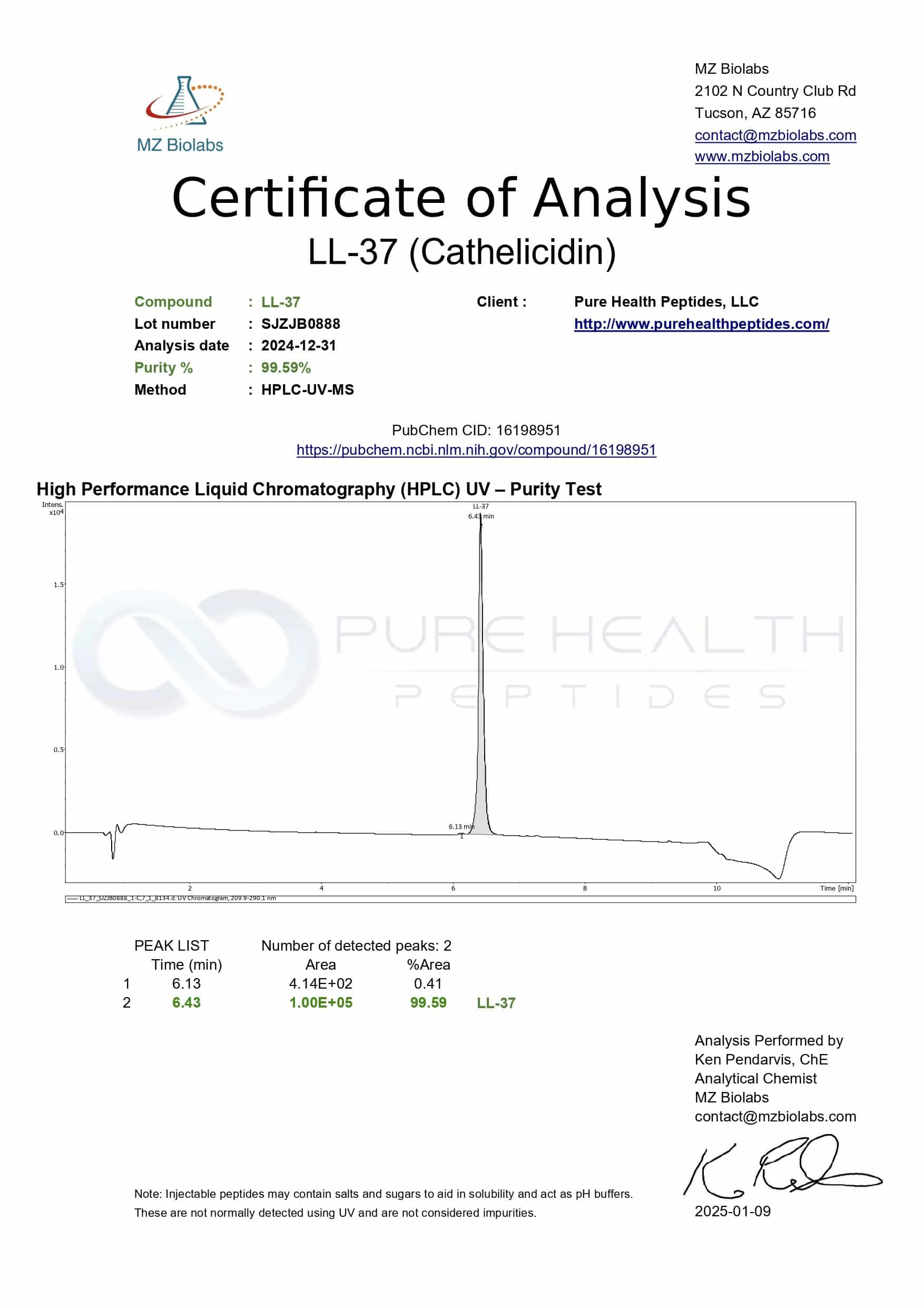
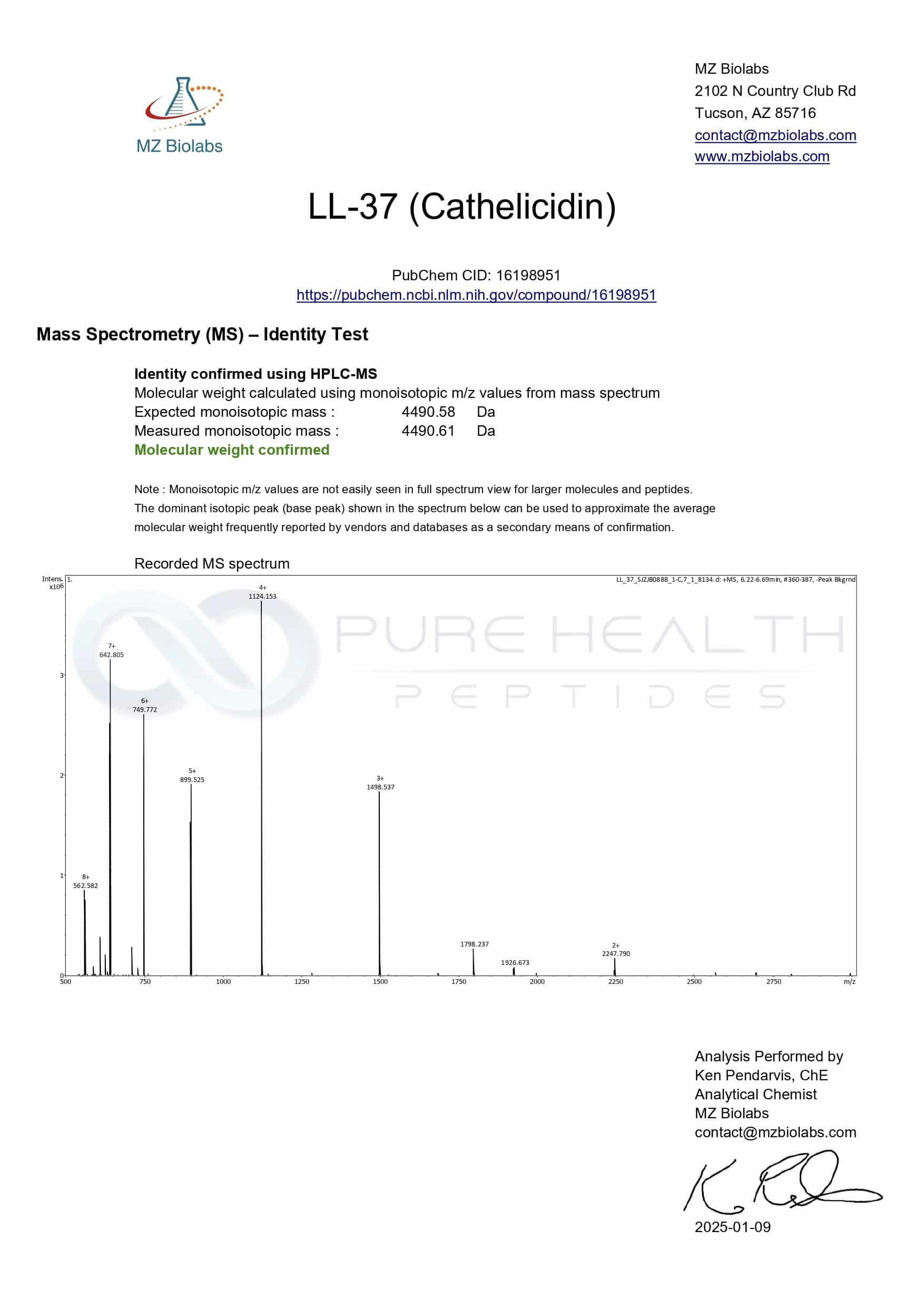
- Analytical documentation: Is a certificate of analysis available for the relevant batch?
- Testing transparency: Are the analytical methods, testing laboratory, and results clearly identified?
- Storage information: Does the supplier provide appropriate, evidence-based handling and storage information?
- Business transparency: Are contact details, policies, and business information accessible?
- Regulatory status: Is the product legally marketed for its stated intended use in the United States?
- Research limitations: Does the supplier avoid unsupported claims about preventing, treating, or curing disease?
These checks can help readers make more informed decisions about product quality and supplier credibility. No single document or marketing statement guarantees product safety, authenticity, or suitability for a particular application.
PureHealth Peptide: Product Research and Quality Considerations
When evaluating PureHealth Peptide or any other peptide supplier, focus on independently verifiable evidence rather than promotional language alone.
A professional product listing should distinguish confirmed specifications from information that has not been independently established. Where applicable, buyers and researchers should be able to review relevant analytical documentation and understand the limitations of the reported results.
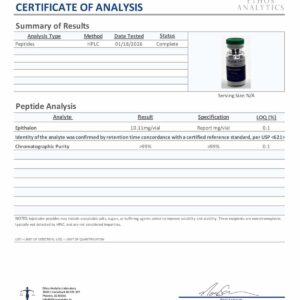
A certificate of analysis may provide useful information about identity, purity, or other tested characteristics. Its value depends on the methods used, the laboratory’s credibility, the sample tested, and whether the document corresponds to the specific product batch.
It is also important to understand that chemical purity does not establish clinical safety. Purity testing alone may not determine sterility, endotoxin levels, biological activity, or suitability for administration to humans.
For these reasons, readers should verify the available evidence directly with the supplier and consult applicable regulatory guidance before making decisions.
Important Safety and Regulatory Information
LL-37 should not be assumed to be an approved medicine or a safe treatment simply because it occurs naturally in the human body or has been studied in scientific literature.
Research findings do not establish a safe human dosage, route of administration, or treatment protocol. Unapproved or inadequately characterized peptide products may present risks involving contamination, incorrect identity, impurities, inappropriate handling, and unknown biological effects.
Do not use research-labeled peptides for self-treatment or substitute them for established medical care. Anyone considering a peptide for a health-related purpose should consult a qualified healthcare professional and verify the product’s regulatory status with the appropriate authorities.
In the United States, the FDA provides information about the regulatory status and safety concerns associated with drugs and other health-related products. Product claims, intended use, and applicable legal requirements should be assessed carefully rather than inferred from a website’s marketing.
Frequently Asked Questions About LL-37
What is LL-37 peptide used for in research?
LL-37 is investigated for its interactions with microorganisms, immune signaling, inflammation, and tissue biology. These are research areas, not proof of established therapeutic benefits.
Where can I find information about PureHealth Peptide?
Visit the supplier’s website directly and review its product descriptions, business information, quality documentation, and applicable policies. Independently verify claims about product authenticity, testing, and authorization before relying on them.
Is LL-37 approved for human treatment in the United States?
Do not assume that LL-37 is FDA-approved for human treatment. Check current FDA information for any specific product and its proposed use. Research interest alone does not establish approval.
Does a high-purity LL-37 product guarantee safety?
No. Purity is only one aspect of product characterization. It does not independently establish sterility, freedom from endotoxins, appropriate formulation, clinical safety, or therapeutic effectiveness.
Can LL-37 be used instead of prescribed medication?
No. Research findings are not a substitute for professional medical advice or approved treatment. Discuss medical concerns with a qualified healthcare professional.
Conclusion: Make Informed Decisions About LL-37
LL-37 remains an interesting subject in antimicrobial peptide and innate immunity research. Its biological interactions have prompted investigations into microbial defense, immune signaling, and tissue biology, but important questions about clinical safety and effectiveness remain.
Readers researching LL-37 and PureHealth Peptide should prioritize reliable scientific information, transparent product documentation, and independent verification of supplier claims. Evaluating a peptide responsibly means looking beyond compelling marketing and understanding the difference between laboratory research and established medical evidence.
For U.S. audiences, the most valuable approach combines careful product evaluation, regulatory awareness, and realistic expectations. By focusing on verifiable information rather than unproven health promises, readers can make better-informed decisions when exploring LL-37 research and peptide-related products online.
Editorial note: PureHealth Peptide is referenced as a supplier to investigate, not as a verified official or authorized seller. Confirm any affiliation, product availability, testing claims, and regulatory status before publishing purchasing recommendations.
| Select Weight | 5MG, 10MG |
|---|
Be the first to review “LL-37”
Related products

Vials
Vials

Vials
Vials
Vials


Vials

Vials

Vials
Reviews
There are no reviews yet.