


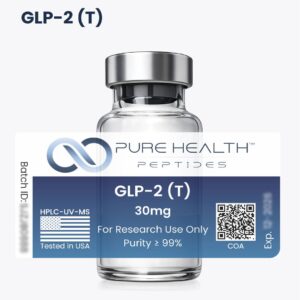

GLP-2 (T): A Comprehensive Guide to Peptide Research and Product Information
Introduction to GLP-2 (T)
Interest in peptides and their potential applications has grown considerably among researchers, biotechnology professionals, and individuals seeking reliable scientific information. GLP-2 (T) is a term that may appear in peptide-related product listings, but understanding exactly what a product contains is essential before drawing conclusions about its intended purpose, quality, or suitability.
This comprehensive guide explores GLP-2 (T), explains important considerations when evaluating peptide-related products, and outlines how consumers and research professionals in the United States can approach product verification responsibly.
For readers researching PureHealth Peptide, the most important first step is to confirm the precise identity of the compound, its documented composition, its intended use, and the availability of reliable supporting information. Product names alone are not sufficient evidence of authenticity, purity, effectiveness, or regulatory approval.
What Is GLP-2 (T)?
GLP-2 is an abbreviation commonly associated with glucagon-like peptide-2, a naturally occurring peptide hormone involved in intestinal growth and intestinal function. However, the additional designation “(T)” is ambiguous without an accompanying product specification or technical document.
It should not automatically be assumed that a product marketed as GLP-2 (T) is identical to naturally occurring GLP-2, a specific GLP-2 analogue, or an approved pharmaceutical product.
Before evaluating any listing, readers should look for the following information:
- Compound identity: The full chemical or scientific name of the substance.
- Product composition: Clearly documented ingredients and formulation.
- Intended application: Whether the product is intended for laboratory research or another explicitly stated purpose.
- Analytical documentation: Appropriate testing records supporting identity and quality claims.
- Storage requirements: Manufacturer-documented handling and storage instructions.
- Regulatory information: Accurate statements concerning applicable authorization and restrictions.
These details help distinguish a clearly documented research material from a product whose description leaves important questions unanswered.
Understanding Peptide Research
Peptides are short chains of amino acids connected by peptide bonds. Depending on their structure, they can participate in a wide range of biological processes and are studied across biochemistry, molecular biology, pharmacology, and biotechnology.
Scientific interest in peptides reflects their structural diversity and their roles in biological signaling. Nevertheless, different peptides can have substantially different properties, and findings concerning one compound cannot automatically be applied to another.
Research involving a peptide generally requires a well-defined experimental objective, appropriate analytical methods, validated procedures, and careful interpretation of results.
When researching GLP-2 (T), it is therefore important to separate established scientific information about glucagon-like peptide-2 from claims made about a specific product carrying that name.
Where to Find Information About GLP-2 (T)
People searching online for GLP-2 (T) may encounter product pages, supplier websites, scientific references, and discussions of peptide research. Evaluating these sources carefully can help reduce confusion and prevent decisions based on incomplete information.
Readers researching PureHealth Peptide can use the following approach when reviewing the website purehealthspeptide.com.
1. Verify the Supplier’s Identity
Review the website’s business information, contact details, stated operating location, and applicable terms. Check whether the company provides transparent information about its products and the organization responsible for supplying them.
The presence of a professional website or a product listing does not independently establish that a seller is an official manufacturer, authorized distributor, or verified supplier.
2. Review Available Product Documentation
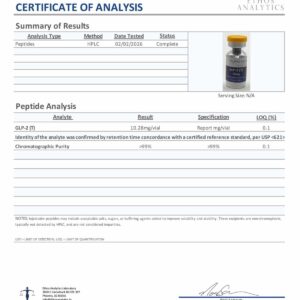
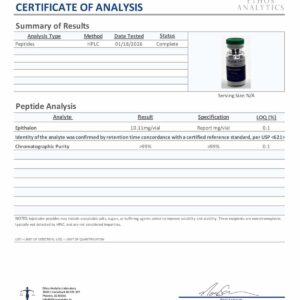
Look for a detailed product specification that identifies the substance unambiguously. If a certificate of analysis is provided, examine whether it identifies the tested material, the testing laboratory, the analytical methods, and the relevant results.
A certificate should be traceable to the actual product batch. Generic laboratory documents may not establish the quality of the specific material being advertised.
3. Check Claims Against Reliable Sources
Scientific claims should be consistent with credible research literature and relevant regulatory information. Be cautious of descriptions promising dramatic outcomes without appropriate evidence or suggesting that a research compound is proven safe for personal use.
4. Understand the Intended Use
A material sold for laboratory research should not automatically be treated as a product approved for human consumption or administration. Research status, pharmaceutical approval, and suitability for personal use are distinct matters.
Why Product Verification Matters
Reliable documentation is an essential part of responsible peptide research. Product verification helps readers understand what is being described and whether the available evidence supports the claims made by a supplier.
Important considerations include:
Identity and composition: Accurate identification establishes which substance is under discussion.
Quality assurance: Appropriate analytical testing can provide evidence about specified quality characteristics, although the strength of that evidence depends on the methods and documentation supplied.
Transparency: Clear product specifications, identifiable business information, and accessible policies make it easier to evaluate a supplier’s claims.
Scientific accuracy: Evidence-based descriptions help distinguish established findings from hypotheses, marketing statements, or unsupported promises.
Regulatory awareness: Applicable requirements can vary according to the substance, its intended use, and the jurisdiction in which it is supplied.
These considerations are valuable for anyone investigating GLP-2 (T) or comparing information from different peptide-related websites.
PureHealth Peptide and Online Product Research
The name PureHealth Peptide may be useful as a search term for people looking for information about peptide-related products. However, the name alone does not establish the identity, quality, or authorization status of a particular supplier.
Readers can visit purehealthspeptide.com to examine the information the website publishes, but should independently verify its business identity, product documentation, and any claims about official supplier status before relying on them.
A responsible product evaluation should prioritize verifiable details over promotional language. This is especially important when a listing uses abbreviations or product labels that do not clearly establish the compound’s identity.
Before making a purchasing decision, review the applicable product restrictions, confirm the intended use, and seek clarification from the supplier when essential information is missing.
Important Safety and Regulatory Considerations
Peptide-related products can differ substantially in their biological activity, formulation, quality, and risks. A product description cannot establish that a compound is safe or effective for a particular individual.
GLP-2-related biology is a specialized scientific subject, and evidence about one formulation should not be generalized to an unidentified product called GLP-2 (T).
For products intended for medical use, consult a qualified healthcare professional and verify the relevant regulatory status. In the United States, the Food and Drug Administration (FDA) provides information about approved drugs, unapproved products, and applicable regulatory requirements.
Products labeled for research should be evaluated according to their documented research purpose rather than assumed to be suitable for human use.
Frequently Asked Questions About GLP-2 (T)
What is GLP-2 (T)?
GLP-2 commonly refers to glucagon-like peptide-2, a peptide hormone associated with intestinal function. The exact meaning of the additional “(T)” designation must be confirmed through reliable product documentation.
Where can I learn more about GLP-2 (T)?
Start with the full product specification, relevant scientific literature, and reliable regulatory sources. If you review purehealthspeptide.com, independently verify its supplier information and any supporting documentation.
Is PureHealth Peptide an official supplier?
Official supplier status has not been independently verified for this description. Check the business’s identity, authorization claims, product documentation, and applicable regulatory information before relying on such a claim.
What documentation should a peptide listing provide?
Useful documentation may include an unambiguous compound identity, product specifications, batch-linked analytical results, testing methods, and clear information about intended use and storage.
Is GLP-2 (T) approved for human use?
Its approval status cannot be determined from the abbreviated product name alone. Verify the precise compound and formulation against applicable FDA information and consult a qualified professional regarding medical use.
Final Thoughts: Make an Informed Decision
Researching GLP-2 (T) requires more than identifying a product listing. Understanding the compound, reviewing credible scientific evidence, evaluating product documentation, and checking regulatory information are essential steps toward an informed assessment.
For those searching for PureHealth Peptide, purehealthspeptide.com can be examined as a source of information, but its official supplier status and the details of any GLP-2 (T) offering should be independently confirmed.
The smartest approach is to prioritize verified product information, transparent documentation, and scientific accuracy over unsubstantiated promises. These practices support more responsible decisions when navigating the expanding field of peptide research.
| Select Weight | 10MG, 15MG, 20MG, 30MG |
|---|
Be the first to review “GLP-2 (T)”
Related products

Vials

Vials
Vials
Vials
Vials
Vials

Vials

Vials
Reviews
There are no reviews yet.