

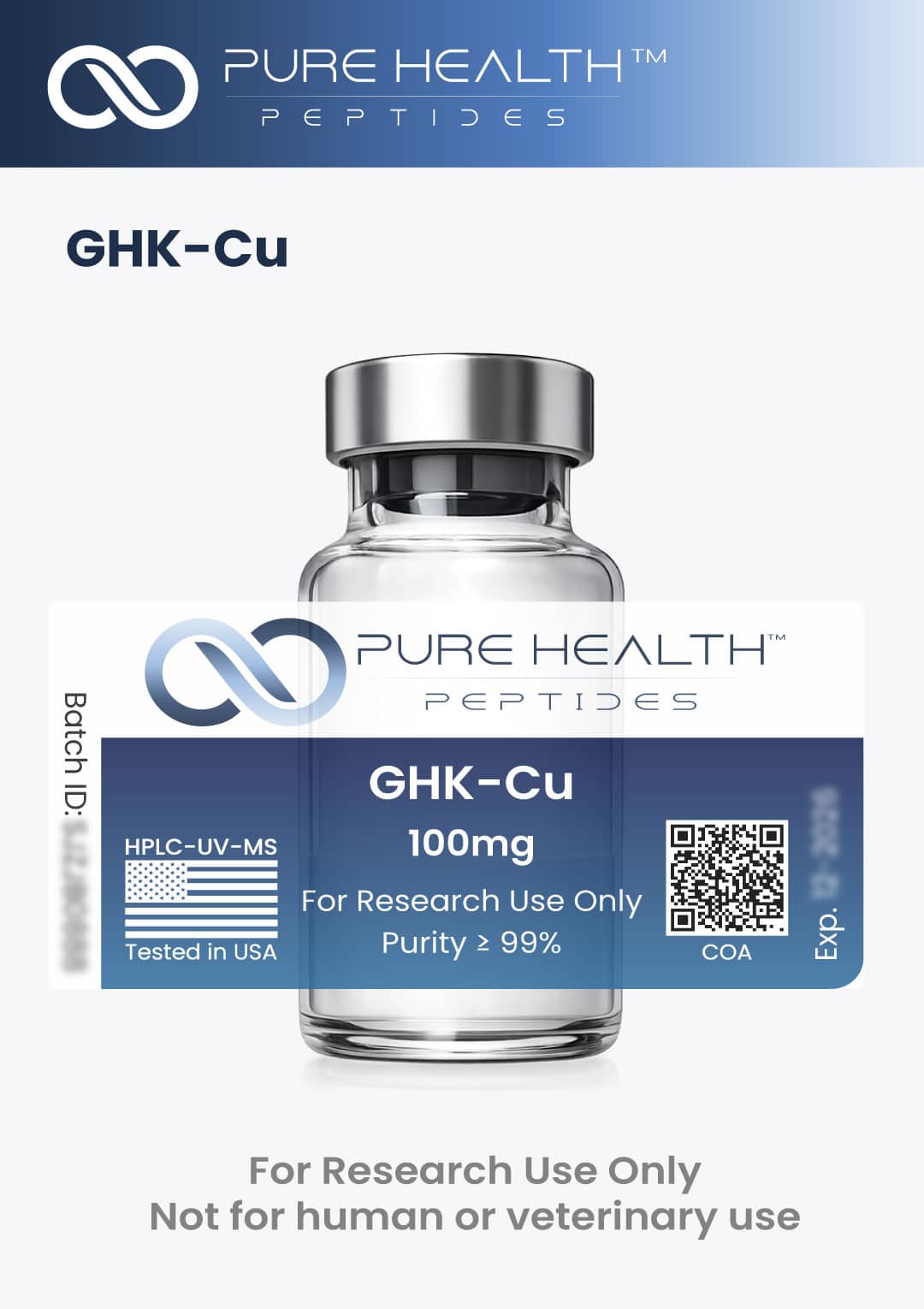



GHK-Cu Peptide: Essential Research Information from PureHealth Peptide
GHK-Cu is a copper-binding peptide that has attracted attention in biochemical research and cosmetic science. Known for its distinctive interaction with copper ions, this peptide is studied for its molecular properties and potential biological activity. For researchers, laboratory professionals, and readers exploring peptide science, understanding GHK-Cu begins with reliable product information, transparent specifications, and a clear explanation of its intended application.
PureHealth Peptide is the requested brand keyword for this product page. Before making any purchasing decision, customers should independently verify the website’s business identity, product documentation, and regulatory compliance. The official status of purehealthspeptide.com has not been independently verified, so it should not be described as an authorized or official supplier without supporting evidence.
This page provides an informative overview of GHK-Cu, its chemical characteristics, research context, and important considerations for evaluating peptide-related products in the United States.
What Is GHK-Cu Peptide?
GHK-Cu is a complex formed when the tripeptide GHK, consisting of glycine, histidine, and lysine, binds to a copper ion. The peptide is commonly discussed in scientific literature because of its copper-binding properties and its presence in research involving cellular biology, skin biology, and biochemical interactions.
Copper is an essential trace element involved in numerous biological processes. Certain proteins and peptides can bind copper and influence how it interacts within a biological environment. GHK-Cu is studied in this context because its molecular structure allows it to coordinate with copper ions.
Although GHK-Cu is frequently discussed in skincare and cosmetic research, scientific interest should not be confused with proof that every product containing the ingredient produces a particular result. The formulation, concentration, purity, delivery method, and intended application can all influence the relevance of research findings.
Understanding the Structure of GHK-Cu
The GHK portion contains three amino acids linked in a specific sequence. When it binds copper, the resulting complex has properties that differ from those of the peptide alone.
Researchers interested in GHK-Cu may examine several characteristics, including:
- Molecular identity and chemical structure.
- Copper-binding behavior.
- Purity and potential impurities.
- Stability under different storage conditions.
- Compatibility with particular research methods.
- Analytical identification and characterization.
These characteristics help explain why verified product specifications and appropriate laboratory documentation matter when evaluating a peptide.
GHK-Cu Research and Scientific Interest
GHK-Cu has been investigated in several areas of scientific research, including skin biology, extracellular matrix processes, and copper-related biochemical activity. However, the strength of evidence varies between experimental settings, and laboratory observations do not automatically establish benefits in humans.
GHK-Cu in Skin Science
One area of interest is the study of skin-related biological processes. Researchers investigate how copper-binding peptides interact with biological systems and whether specific findings may be relevant to future cosmetic or biomedical research.
It is important to distinguish research observations from established clinical outcomes. A study conducted in a laboratory does not demonstrate that a commercial product will reduce wrinkles, reverse aging, heal injuries, or improve skin health in every user.
Consumers considering a cosmetic product containing copper peptides should review its full ingredient list, intended use, safety information, and available evidence. Products intended for topical cosmetic use should not be assumed to be interchangeable with laboratory research materials or injectable preparations.
GHK-Cu and Biochemical Research
The copper-binding characteristics of GHK-Cu make it relevant to investigations involving peptide chemistry and metal-ion interactions. Research applications may involve examining the complex under controlled conditions, depending on the objectives and methods of the study.
A suitable research material should have documentation appropriate to its intended analytical application. Depending on the supplier and product, relevant information may include identity testing, analytical results, batch identification, and storage recommendations.
No single specification guarantees that a peptide is appropriate for every experimental method. Researchers should assess the requirements of their particular protocol before selecting any material.
GHK-Cu Product Specifications and Quality Considerations
When evaluating a GHK-Cu product associated with PureHealth Peptide, prioritize verifiable technical information rather than promotional language alone.
1. Identity and Composition
Confirm that the documentation identifies the intended compound and clarifies whether the material is GHK-Cu, the uncomplexed GHK peptide, or a formulation containing additional ingredients.
The distinction matters because these materials are not chemically identical. Product descriptions should use consistent terminology and avoid confusing one compound with another.
2. Purity and Analytical Testing
Purity is an important consideration in peptide research, but a stated purity percentage does not establish every aspect of a product’s quality.
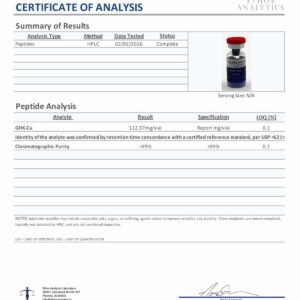
Where available, review batch-specific analytical documentation and identify the method used to assess purity. Depending on the material and its intended use, additional characterization may be needed to establish identity, composition, or copper content.
A certificate of analysis should be evaluated for its actual contents, issuing laboratory, batch information, and testing methods. The existence of a document alone does not independently verify its accuracy.
3. Batch Traceability
Batch identification helps connect a product to its supporting documentation. Traceability can be particularly important when comparing analytical results or investigating unexpected experimental findings.
Look for consistent batch numbers on product packaging and relevant technical records. If documentation is incomplete or inconsistent, seek clarification before using the material in research.
4. Storage and Stability
Peptide stability can depend on formulation, moisture, temperature, light exposure, and other environmental conditions. Different products may therefore require different handling procedures.
Follow the storage conditions supplied by the manufacturer for the specific formulation. Do not assume that every GHK-Cu product has identical storage requirements or a universal shelf life.
Where to Find GHK-Cu Information in the USA
People searching online for GHK-Cu in the United States may encounter laboratory suppliers, cosmetic ingredient retailers, research catalogs, and sellers advertising products for personal use. These categories should not be treated as interchangeable.
Before considering a supplier such as PureHealth Peptide, independently review the following information:
- Product documentation: Look for a clear compound description and accessible technical specifications.
- Business transparency: Check the seller’s legal business identity and verifiable contact information.
- Quality records: Determine whether relevant batch-specific analytical reports are available.
- Intended use: Establish whether the product is marketed as a cosmetic ingredient, laboratory reagent, or another type of material.
- Regulatory compliance: Verify that the product’s intended use and marketing comply with applicable United States requirements.
- Customer support: Seek clear answers to questions about composition, documentation, and product handling.
The domain purehealthspeptide.com is included here as the requested brand reference, not as a verified endorsement. Its ownership, official status, product quality, and regulatory compliance should be checked independently before relying on any claims associated with it.
Important Safety and Regulatory Considerations
GHK-Cu products may differ substantially in formulation, intended use, and supporting evidence. A product described as a research peptide should not automatically be considered suitable for human consumption, injection, or self-treatment.
Laboratory research materials may not have the manufacturing controls, regulatory authorization, or clinical evidence required for therapeutic use. Likewise, evidence concerning a particular topical cosmetic formulation cannot automatically be applied to an injectable or differently formulated product.
Do not infer that a product is safe or effective because it is advertised online, described as high purity, or associated with a particular peptide sequence. Anyone considering a product for medical or cosmetic use should consult an appropriately qualified healthcare professional and verify its regulatory status.
In the United States, the legal requirements applicable to a product depend on its composition, intended use, claims, and regulatory classification. Buyers and researchers should consult relevant official guidance when these questions affect their intended application.
Frequently Asked Questions About GHK-Cu
What does GHK-Cu stand for?
GHK-Cu refers to a complex formed by the tripeptide GHK—glycine, histidine, and lysine—and a copper ion. It is studied for its chemical characteristics and potential biological interactions.
Is GHK-Cu the same as an ordinary copper supplement?
No. GHK-Cu is a specific copper-binding peptide complex. It should not be treated as interchangeable with dietary copper supplements or other copper-containing compounds.
Is GHK-Cu used in skincare research?
Yes. GHK-Cu has been investigated in skin-related research and is discussed in cosmetic science. However, the evidence supporting a particular outcome depends on the formulation, study design, and application. Research interest alone does not establish clinical effectiveness.
What documentation should accompany a GHK-Cu research product?
Depending on the intended application, useful records may include compound identification, batch details, purity testing, relevant analytical methods, composition information, and storage instructions. Researchers should determine which documentation their protocol requires.
Is PureHealth Peptide the official website for GHK-Cu?
The requested domain is purehealthspeptide.com. Its status as an official or authorized supplier has not been independently confirmed in this description. Verify the business identity and any authorization claims directly before relying on them.
Conclusion: Make Informed Decisions About GHK-Cu
GHK-Cu is an interesting copper-binding peptide with applications in biochemical investigation and ongoing interest in skin-related research. Understanding its structure, analytical characteristics, intended use, and limitations is essential for evaluating information about this compound.
For anyone researching GHK-Cu in the United States, the most useful starting point is accurate product identification, transparent technical documentation, and a realistic understanding of the scientific evidence. PureHealth Peptide can serve as the requested brand term for this page, but claims about its official status, product quality, or suitability should be supported by independent verification.
Explore the science, examine the documentation, and prioritize evidence-based decisions when evaluating GHK-Cu products.
| Select Weight | 50MG, 100MG |
|---|
Be the first to review “GHK-Cu”
Related products
Vials
Vials

Vials

Vials

Vials

Vials
Vials
Vials
Reviews
There are no reviews yet.