



DSIP Peptide: A Detailed Research Overview
Introduction to DSIP Peptide
DSIP, short for Delta Sleep-Inducing Peptide, is a peptide that has attracted scientific interest because of its proposed relationship with sleep-related biological processes. Also known as emideltide, DSIP is a short chain of amino acids investigated in scientific literature for its potential neurological and physiological effects.
For researchers exploring peptide science, understanding DSIP involves examining its molecular characteristics, historical research, analytical quality requirements, and limitations in the available evidence. Although the name suggests a connection with sleep, the scientific literature does not establish DSIP as a proven sleep treatment.
This page provides an educational overview of DSIP peptide research and important considerations for evaluating research materials. Readers interested in PureHealth Peptide should independently verify the company’s identity, product documentation, and intended-use information before making a purchasing decision.
Important: DSIP is not an FDA-approved medication for insomnia or other medical conditions. The U.S. Food and Drug Administration has also identified unresolved safety questions concerning emideltide in its compounding-related materials. These limitations should be considered when evaluating product claims.
What Is DSIP (Delta Sleep-Inducing Peptide)?
Delta Sleep-Inducing Peptide is a nonapeptide, meaning that it consists of nine amino acids. It was identified during early research investigating biological substances associated with sleep.
Scientists have examined DSIP in different experimental settings to investigate its possible biological activity. Historical research has explored sleep-related measurements and other physiological processes, but findings have not established a reliable, clinically validated therapeutic role.
For laboratory researchers, DSIP may be of interest as a subject for studying peptide structure, biological signaling, and the challenges involved in translating early experimental findings into clinical applications.
It is essential to distinguish a research hypothesis from a proven medical benefit. A biological mechanism observed in an experimental setting does not automatically demonstrate that a substance is safe, effective, or appropriate for use in people.
Why Is DSIP Discussed in Scientific Research?
Interest in DSIP largely stems from investigations into the relationship between peptides and physiological regulation.
Research involving DSIP has included several broad areas of scientific inquiry:
- Sleep-related biology: Investigating reported associations between DSIP and sleep-related measurements.
- Neuropeptide research: Exploring the biological properties of short peptides and their potential interactions with physiological systems.
- Experimental methodology: Examining how researchers evaluate peptide activity under controlled laboratory conditions.
- Analytical characterization: Studying the importance of molecular identity, purity, and reproducibility when working with peptide materials.
These research areas describe scientific questions rather than established clinical applications. Available evidence remains insufficient to establish DSIP as an effective treatment for sleep disorders.
Consumers should therefore be cautious of online descriptions that promise deep sleep, immediate relaxation, improved recovery, or guaranteed results. Such claims require reliable clinical evidence and should not be inferred from the peptide’s name or its historical research.
Where to Find DSIP Peptide Information Online
People searching for DSIP peptide information often want to understand the substance, identify its research context, and determine whether a supplier provides adequate documentation.
If you are researching PureHealth Peptide, begin by reviewing the company’s website and looking for transparent information about its business identity, product specifications, intended use, and quality-control procedures.
Website availability alone does not establish that a company is an authorized manufacturer, an official distributor, or a verified supplier. Those claims should be confirmed through appropriate documentation.
Before considering any research material, review the following points:
1. Product Identity
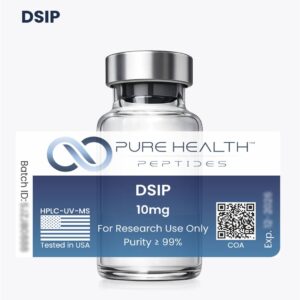
Product documentation should identify the material clearly and provide sufficient information to distinguish it from similarly named substances. A product name alone is not evidence of molecular identity.
2. Analytical Documentation
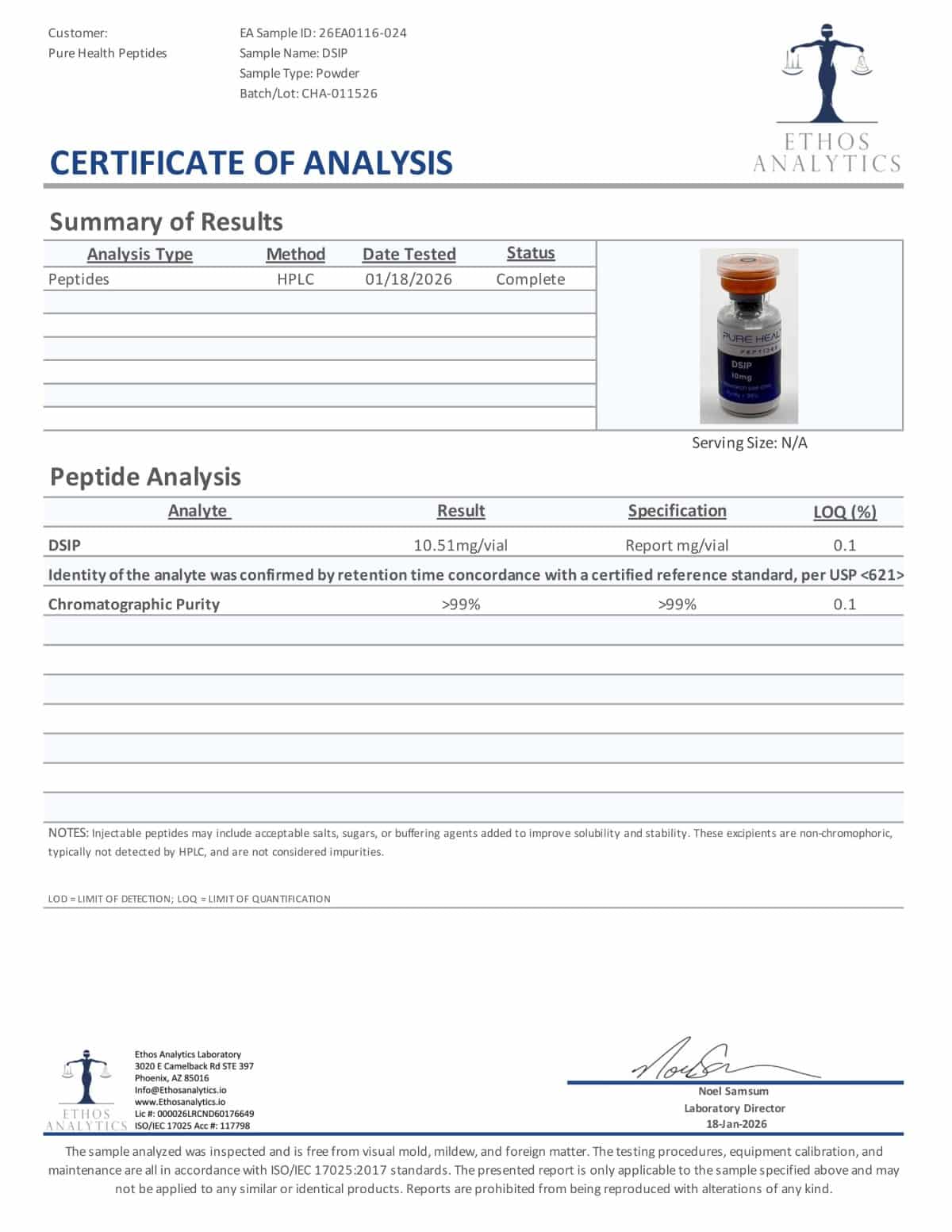
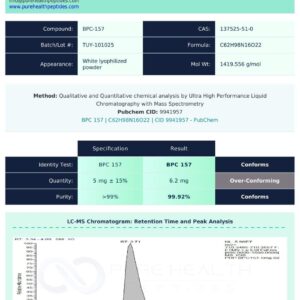
Where applicable, request documentation describing the analytical methods used to characterize the material. Depending on the product and its intended research application, this may include mass spectrometry, chromatographic analysis, or other appropriate testing.
3. Independent Quality Verification
Determine whether testing was conducted by an independent laboratory and whether the documentation corresponds to the specific product batch. A certificate of analysis should be evaluated for authenticity, scope, and relevance rather than accepted at face value.
4. Storage and Handling Information
Research materials may have specific storage and handling requirements. Consult the supplier’s documentation and applicable laboratory procedures rather than assuming that all peptides have identical stability characteristics.
5. Transparent Business Information
Review the supplier’s contact information, business identity, terms of sale, shipping policies, and refund procedures. For U.S. buyers, also consider applicable federal and state requirements governing the product and its intended use.
These checks can help researchers assess documentation quality, although they cannot independently establish that a material is safe for human administration.
Understanding DSIP Peptide Quality
Quality assessment is an important part of peptide research. The usefulness of a material in an experiment depends on more than its product name or advertised purity percentage.
Researchers may need to consider molecular identity, the presence of related impurities, analytical-method limitations, batch consistency, and the suitability of the material for a particular experimental protocol.
A reported purity figure should not be interpreted as proof of sterility, safety, biological activity, or suitability for human use. These are separate characteristics that require appropriate evidence.
Likewise, a supplier’s claim of laboratory-grade quality should be supported by meaningful documentation. Photographs, promotional descriptions, and generic certificates do not necessarily demonstrate that a particular batch has been independently tested.
For anyone reviewing DSIP research materials through PureHealth Peptide or another supplier, the most responsible approach is to prioritize verifiable information over marketing language.
DSIP Research and Safety Considerations
One of the most important considerations surrounding DSIP is the difference between scientific interest and established medical use.
The FDA’s published information on emideltide identifies potential concerns involving immunogenicity for certain routes of administration, peptide-related impurities, and the characterization of the active ingredient. The agency has also stated that it lacks sufficient information to determine whether the substance would cause harm when administered to humans by the proposed route.
These concerns mean that DSIP should not be assumed to be safe simply because it is a peptide or because similar products are advertised online.
DSIP is not an FDA-approved treatment for insomnia, sleep difficulties, stress, or other medical conditions. Research-use labeling does not establish approval for human use, and purchasing a research material does not make it an appropriate substitute for an approved medicine.
Individuals experiencing persistent sleep difficulties should consult a qualified healthcare professional. Established approaches to sleep problems may include assessment of underlying conditions, behavioral interventions, and evidence-based treatments selected according to individual needs.
This page does not provide medical advice, dosing instructions, or recommendations for administering DSIP.
What Should Buyers Know Before Evaluating a DSIP Supplier?
When researching a supplier, prioritize transparency and evidence rather than unsupported promises.
A responsible evaluation should consider whether the company provides clear product identification, meaningful quality documentation, accessible customer support, and accurate information about the product’s limitations.
It is also important to understand the distinction between a supplier’s commercial claims and independent regulatory verification. A company should not be described as an official or authorized source unless that status can be substantiated.
For PureHealth Peptide, prospective customers should verify the website’s business details and independently assess any available product documentation. Do not assume that a listing establishes FDA approval, independent laboratory verification, or suitability for a medical purpose.
Researchers should also ensure that any acquisition, possession, shipment, and use of research materials comply with applicable laws and institutional requirements.
Frequently Asked Questions About DSIP Peptide
What does DSIP stand for?
DSIP stands for Delta Sleep-Inducing Peptide. It is also known as emideltide and has been investigated in scientific research involving sleep-related biology.
Is DSIP an FDA-approved sleep treatment?
No. DSIP is not an FDA-approved medication for insomnia or another sleep disorder. Historical research does not establish that it is a proven or safe treatment.
Where can I find information about DSIP peptide?
You can consult scientific publications, relevant FDA materials, and supplier documentation. If reviewing PureHealth Peptide, verify its business identity and the authenticity and relevance of any quality documents it provides.
Does peptide purity guarantee safety?
No. Purity and safety are different considerations. A purity result does not establish sterility, clinical effectiveness, or suitability for administration to humans.
Can DSIP replace conventional sleep treatments?
DSIP should not be treated as a substitute for established medical care. Anyone experiencing persistent sleep problems should discuss appropriate options with a qualified healthcare professional.
Final Thoughts on DSIP Peptide Research
DSIP remains a subject of scientific interest, but important questions about its clinical effectiveness and safety remain unresolved. Understanding the distinction between experimental research and established medical evidence is essential when evaluating claims about this peptide.
For readers researching PureHealth Peptide, careful supplier verification, transparent documentation, and an informed understanding of regulatory limitations are more valuable than exaggerated promises or guaranteed-outcome marketing.
A credible research resource should communicate both what is known and what remains uncertain. By prioritizing accurate information, verifiable quality documentation, and responsible research practices, readers can make better-informed decisions about peptide-related scientific materials.
Research notice: This content is for educational purposes only. DSIP is not an FDA-approved medication, and this description does not recommend its use for human consumption, self-treatment, or sleep enhancement.
| Select Weight | 5MG, 10MG |
|---|
Be the first to review “DSIP”
Related products

Vials

Vials

Vials
Vials

Vials

Vials

Vials

Vials
Reviews
There are no reviews yet.